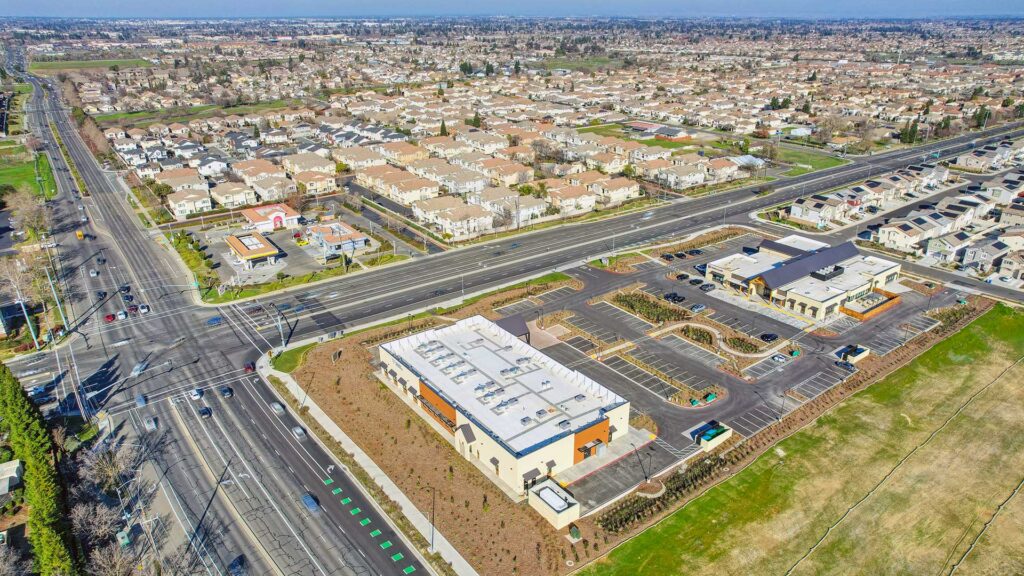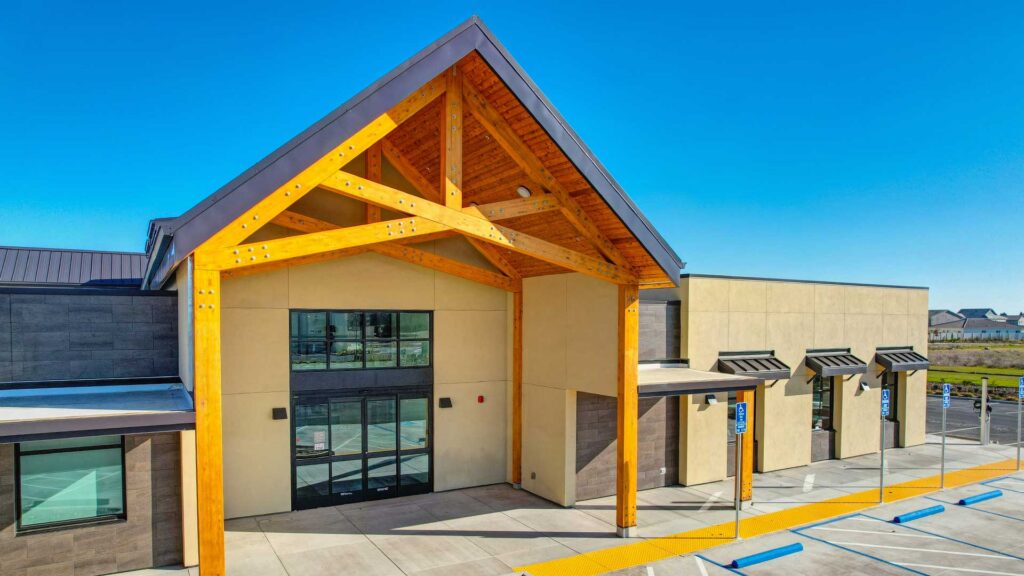
Neighborhood retail is proving its strength as a resilient and adaptive asset class in Northern California, increasingly outperforming regional shopping centers in key performance metrics. With a growing preference for convenience, flexibility, and locally driven consumer experiences, neighborhood shopping centers are becoming the favored format for both retailers and investors.
Neighborhood retail centers typically range from 30,000 to 125,000 square feet and serve the daily needs of nearby residents. They often include grocery stores, fitness and wellness studios, dry cleaners, and quick-service restaurants and are usually configured as open-air strip centers. In contrast, regional shopping centers often exceed 400,000 square feet, are anchored by department stores or major national brands, and aim to serve a larger 5-15 mile radius. These centers may be enclosed malls or large-format lifestyle centers, offering broader variety but often facing higher operating costs and slower adaptability.
Why Neighborhood Retail Is Outpacing Regional Centers
 The retail landscape in Northern California is undergoing a decisive shift. As large-format regional malls grapple with higher vacancy rates, shifting consumer habits, and reduced foot traffic, neighborhood centers are thriving by staying agile and aligning with evolving community needs.
Lower Vacancy Rates and Quicker Lease-Up Times
In Sacramento, for example, general retail and neighborhood centers reported lower vacancy rates than malls. Neighborhood centers held a 7.4% vacancy rate, while malls reported a significantly higher 10.1% vacancy rate. Chico and Redding showed similar patterns. In Chico’s retail market, neighborhood center vacancies stood at 7.4%, showing strong demand for accessible, convenience-focused retail.
Additionally, leasing velocity in neighborhood retail spaces has been notably strong. In Sacramento retail, spaces leased last year were on the market for an average of just nine months, nearly two months faster than the trailing three-year average.
Rent Stability and Growth in Neighborhood Centers
Despite national economic headwinds, neighborhood retail rent performance has remained stable or shown modest growth. In Redding’s retail market, neighborhood centers experienced a 2.0% year-over-year rent increase, outperforming malls, which saw only 1.2% growth. Chico’s neighborhood retail rents grew by 1.0%, closely tracking the market average and signaling durability in tenant demand.
Key Advantages of Neighborhood Retail Assets
 Neighborhood centers often feature a curated mix of essential services, daily needs retailers, and local operators—tenants that continue to perform regardless of economic cycles. This tenant composition makes these properties more resilient compared to regional centers heavily reliant on department stores or discretionary spending.
5 Reasons Neighborhood Retail Is Winning
- Proximity to Residential Density: Neighborhood centers are often embedded within suburban neighborhoods, making them highly accessible for daily errands.
- Better Tenant Mix Resilience: These centers prioritize essential services like grocery, medical, fitness, and quick-service food, which tend to have more stable performance.
- Smaller Footprints Mean Faster Leasing: With lower capital requirements and flexible space options, neighborhood centers attract a broader range of tenants and lease up faster.
- Lower Operational Costs: Compared to regional malls, neighborhood retail offers lower common area maintenance costs and tenant improvement budgets.
- Higher Investment Yields: In Redding, for example, cap rates for neighborhood retail averaged 8.1%, compared to the national average of 7.3%, attracting yield-driven investors.
The Decline of Regional Shopping Centers
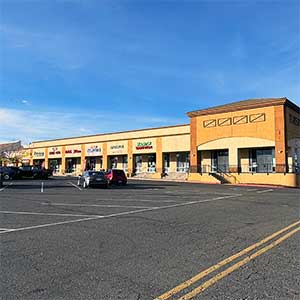 Regional centers have struggled to maintain relevance amid changes in consumer preferences and retailer strategies. These large properties often depend on anchor tenants that are either shrinking their footprints or exiting the market entirely. Department store closures and mall bankruptcies have created substantial backfill challenges, a clear example of property obsolescence as older retail formats struggle to meet current tenant and consumer expectations.
In Sacramento, malls had a vacancy rate of over 10% last quarter, with little new leasing activity to replace departing tenants. Meanwhile, neighborhood centers benefited from limited new speculative construction, ensuring that demand outpaces supply.
Even in secondary markets like Chico and Redding, there was little to no new development in regional formats, while new neighborhood centers were either fully or nearly preleased before completion.
What This Means for Retail Strategy in Northern California
For retailers and investors, the trend is clear: prioritize neighborhood retail. These properties offer faster absorption, stronger tenant retention, and higher occupancy stability. Investors looking for long-term, cash-flowing assets will find more opportunity in well-located neighborhood centers, particularly those anchored by grocery or healthcare tenants.
Retailers expanding into the Northern California market would be wise to focus on neighborhood centers over traditional malls. The combination of foot traffic, stable occupancy, and alignment with modern consumer behavior—often reinforced by retail agglomeration—offers a stronger foundation for long-term success.
Summary
Neighborhood retail in Northern California is decisively outpacing regional shopping centers in rent growth, leasing performance, and investment returns. Backed by data from our market reports, neighborhood centers show lower vacancy rates, faster leasing timelines, and stronger rent performance. As regional malls face ongoing headwinds, neighborhood retail proves itself as the more stable, strategic choice for investors and tenants alike.
Looking to lease, invest, or expand in Northern California retail? Contact Capital Rivers Commercial today or browse our available listings to find opportunities in top-performing neighborhood centers.