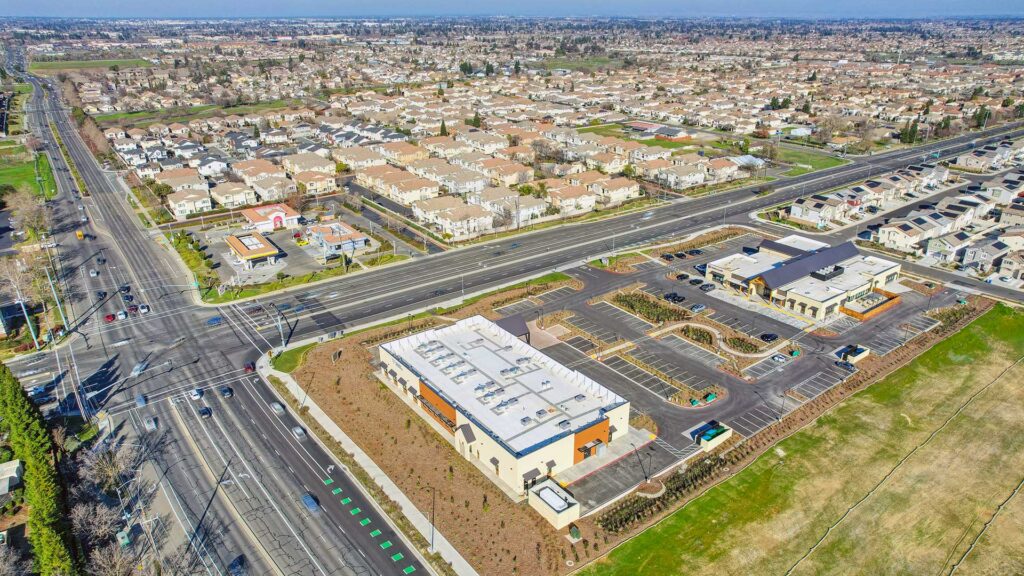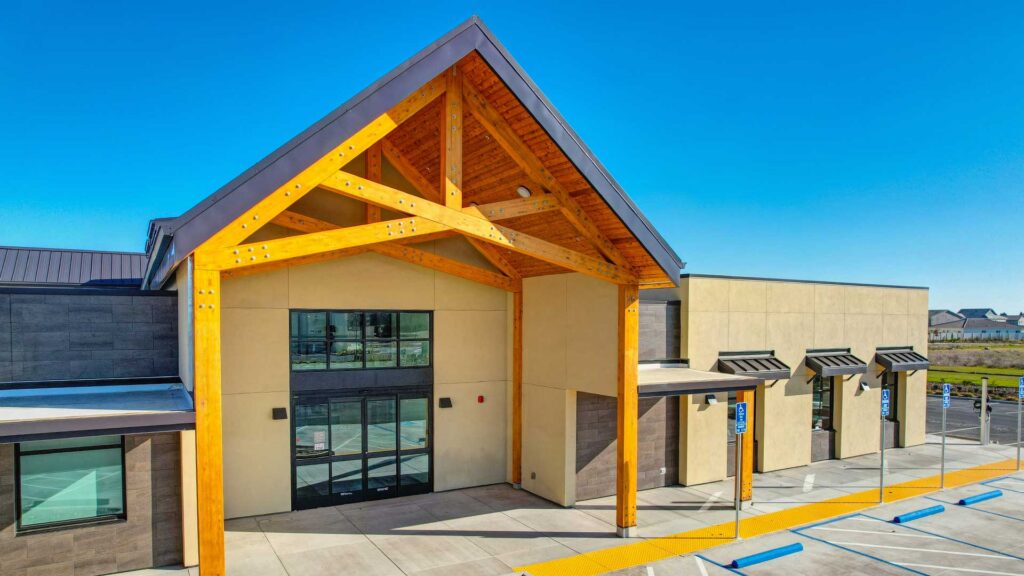
A commercial property rarely sits vacant for one mysterious reason. More often, the market is giving the owner clear feedback: the economics are not competitive, the space does not fit enough users, the property needs work, or another building solves the tenant’s problem better. In commercial property leasing, waiting longer does not fix those issues. Owners need to identify what is limiting demand before vacancy becomes more expensive than the change they were trying to avoid.
Commercial Property Leasing Starts With Competitive Economics
 The first place to look is price, but asking rent alone is not enough. Tenants compare total occupancy cost, including free rent, improvement allowances, operating expenses, annual increases, lease term, and required build-out.
Capital Rivers Commercial’s market reports show that some landlords have become willing to offer up to five months of free rent on a five-year term, along with tenant improvement packages and more flexible lease terms.
An owner can therefore be “at market” on face rent and still lose deals. If competing properties offer better concessions or require less tenant investment, prospects may see them as the cheaper option. Owners should compare effective lease economics, not just published asking rates.
They should also calculate the cost of waiting. Holding out for a slightly higher rent can be a poor trade if the property loses several more months of income while carrying costs continue.
The Space May Not Match the Demand
Marketwide vacancy figures can hide major differences between property types and size ranges. A healthy market does not mean every space has a deep tenant pool.
Sacramento industrial data shows this clearly. Small-bay buildings under 50,000 square feet recently had vacancy around 4.6%, while the overall industrial market was at 7.1%. In Metro Air Park, vacancy among buildings larger than 200,000 square feet had climbed to about 13%.
The same principle applies to retail and office. A restaurant may need venting, parking, and the right zoning. Medical users may require specific layouts. Industrial tenants may rule out a building because of clear height, loading, power, yard space, or truck access.
Owners should define the real competitive set for the property. The useful question is not “How much vacancy is in Northern California?” It is “How many comparable spaces are competing for the same tenant, and how does this property compare?”
Condition and Build-Out Requirements Can Kill Interest
A tenant may like the location and still reject the space because getting open would take too much time or capital. Outdated finishes, deferred maintenance, poor HVAC performance, inadequate electrical capacity, old lighting, or awkward layouts all create uncertainty. A lower rent does not always compensate for a long build-out or a large upfront investment.
Owners do not need to renovate every vacant space. They do need to know which deficiencies are reducing demand. Sometimes cosmetic work is enough. In other cases, a tenant improvement allowance lets the user build for its own operation.
Competition From Newer or Better Space
 Tenants tour alternatives, and those alternatives establish expectations. Sacramento’s industrial market illustrates the pressure created by newer inventory. More than 25% of industrial space completed since 2023 remained available for lease, and vacancy in buildings completed since 2021 was reported at 20%. Newer buildings can reset expectations for clear height, loading, energy efficiency, appearance, and layout.
Older properties can still compete through better locations, lower costs, established infrastructure, or quicker occupancy. But owners need to understand what their building does better. If it has fewer features and no pricing advantage, the leasing challenge is predictable.
Zoning and Physical Constraints Can Shrink the Tenant Pool
Some properties attract inquiries but fail to convert because the intended uses do not work.
Zoning, parking, signage, accessibility, loading, electrical service, fire requirements, and permitted uses can all eliminate prospects. A tenant that cannot legally or practically operate in the building is not a real lead.
Owners should identify likely use constraints before targeting a tenant category. That avoids wasting weeks on tours and proposals that were never likely to become leases.
Marketing Problems Are Real, but Exposure Is Not a Cure-All
Weak marketing can extend vacancy. Poor photography, incomplete property data, inaccurate listings, limited broker outreach, weak signage, and slow follow-up all reduce leasing activity.
But owners should distinguish an exposure problem from a property problem. If qualified prospects are seeing the space and repeatedly walking away, more advertising is unlikely to solve the issue.
Feedback should be tracked. If multiple prospects object to the same rent, layout, parking limitation, build-out requirement, or lease term, that pattern is useful evidence. The market is telling the owner where the property is losing.
How Can Owners Reduce Commercial Property Vacancy?
A practical review should follow five steps:
- Define the true competition. Compare similar properties by size, use, location, condition, and specifications.
- Compare effective economics. Include concessions, improvements, expenses, escalations, and the cost of continued vacancy.
- Review recurring objections. Look for patterns in tour feedback, proposals, and deals that stalled.
- Remove fixable barriers. Address condition, information gaps, unrealistic terms, or property issues that can be corrected.
- Reposition when needed. Change pricing, concessions, improvements, marketing, or target users when the evidence supports it.
Summary
Long commercial property vacancies are usually a sign of mismatch, not bad luck. The mismatch may involve price, condition, location, functionality, competition, use restrictions, or the size of the tenant pool. Effective commercial property leasing requires property-level analysis because conditions can vary significantly by property type, submarket, and tenant category. Owners who identify the source of that mismatch early can make informed changes before carrying costs continue to accumulate.
Capital Rivers Commercial helps Northern California owners evaluate those factors, position properties against current competition, and build leasing strategies around real market conditions. Contact Capital Rivers Commercial to discuss your property’s competitive position or compare available commercial properties across Northern California.