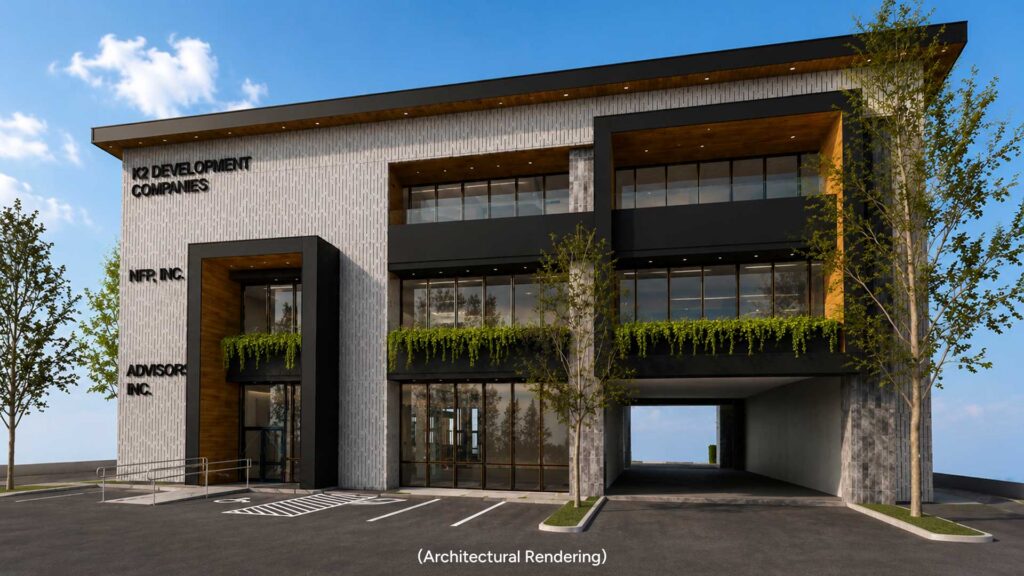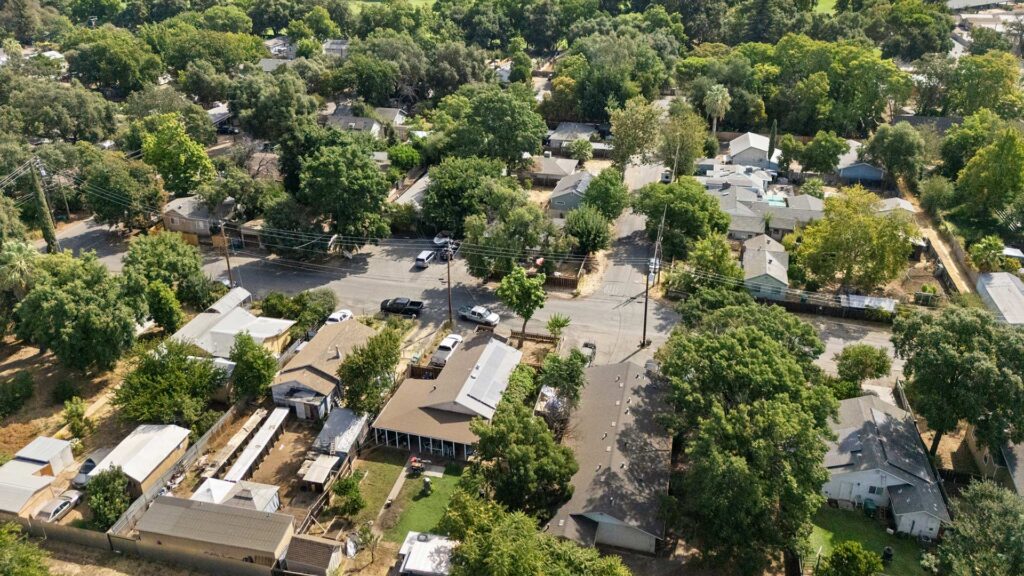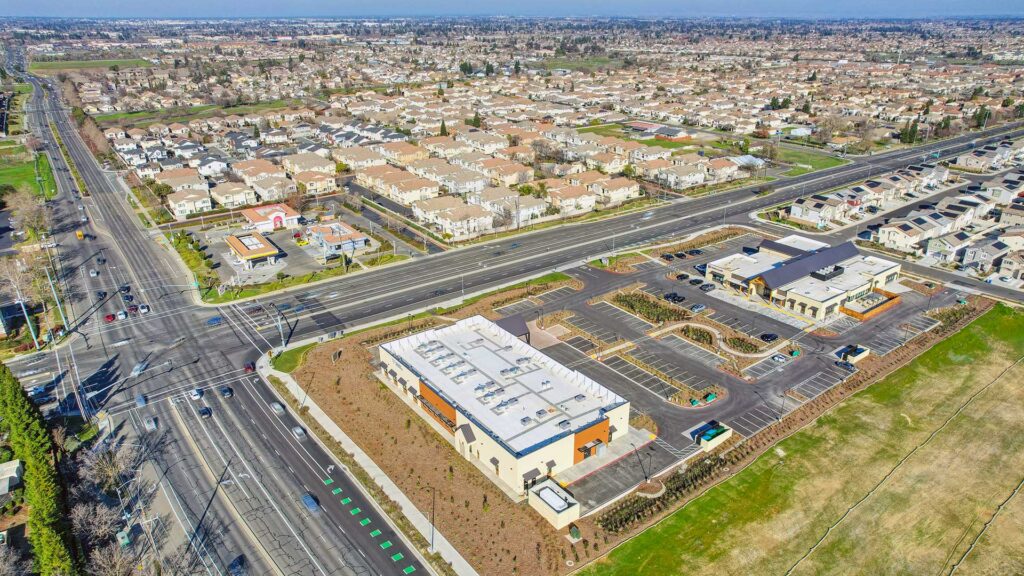
Chico is working to make residential development easier, while new housing continues to move through planning and construction. That combination can influence where retailers locate, where service businesses expand, and which commercial sites attract investor attention. For commercial real estate owners and developers, the important question is not simply how many homes Chico adds. It is where those homes are built, how quickly neighborhoods take shape, and which commercial properties are positioned to serve the households that follow.
Chico Housing Development Is a City Priority
 Chico’s current housing strategy reflects both state requirements and local efforts to remove development barriers. The city’s Housing Element assigns Chico a Regional Housing Needs Allocation of 3,488 units for the current planning cycle. That includes housing across very-low, low, moderate, and above-moderate income categories.
The city has also been working through its multi-phase Residential Readiness program. Earlier phases amended local development regulations to streamline processes and implement Housing Element actions. Phase III includes proposed changes to the Municipal Code, General Plan, and Zoning Map, including land-use adjustments involving the Pomona Avenue Opportunity Site. The broader goal is to reduce residential development barriers and create more capacity for housing.
That direction has also received recognition from the state. Chico is among California’s Prohousing Designated jurisdictions. The designation recognizes communities that adopt policies exceeding baseline state housing requirements. It can also provide advantages when competing for certain housing, infrastructure, transportation, and sustainability funding programs.
These policies do not guarantee that thousands of homes will immediately reach construction. Financing, land costs, infrastructure, labor, and achievable rents still determine whether individual projects work. However, reducing regulatory friction can improve one part of the development equation.
Housing Growth Is Already Taking Shape Across Chico
The opportunity becomes more tangible when policy changes are viewed alongside projects already moving through Chico.
Affordable housing has accounted for a meaningful share of recent multifamily activity. Bar Triangle added 70 affordable units and was fully leased following completion. Meanwhile, Butte County identifies Oak Park Senior Apartments, Oak Park Family Apartments, and Greenfield Apartments as Chico projects under construction. Humboldt Senior Housing, an 80-unit cottage-style project, is also beginning construction.
Market-rate development faces a different set of conditions. High construction costs, financing challenges, and Chico’s moderate rents can make conventional apartment projects difficult to pencil. That may limit how quickly new market-rate supply follows broader efforts to create more housing capacity.
Single-family and mixed-use growth also remain important. Chico’s development pattern includes established and emerging areas such as Meriam Park and Southeast Chico, North Chico near Eaton Road and Highway 99, and infill opportunities throughout the city. Meriam Park is particularly significant because residential and commercial uses are being developed within the same district rather than in isolation.
Housing growth concentrated near existing transportation routes, employment centers, and commercial nodes can create more immediate opportunities than scattered residential construction.
More Households Can Change the Commercial Demand Equation
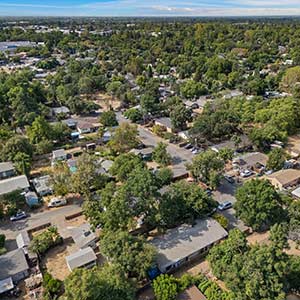 Residential development creates a basic but powerful change in a trade area: more households need goods and services.
That does not mean every new subdivision automatically supports another shopping center. Commercial demand depends on household density, income, traffic patterns, competing businesses, and the amount of existing space. Still, sustained residential growth can gradually strengthen the fundamentals behind neighborhood-serving real estate.
Restaurants, coffee shops, grocery concepts, fitness operators, childcare providers, and personal-service businesses often evaluate household counts and population growth during site selection. Medical and professional service providers may respond to the same demographic expansion.
The result can be especially important in parts of Chico where residential construction gets ahead of commercial supply. A site that once appeared peripheral may become strategically located as rooftops, roads, and daily traffic move closer.
This is one reason commercial investors should monitor housing projects before neighborhoods are fully built. By the time household growth is obvious, the best-positioned commercial parcels may already reflect that demand in their pricing.
Mixed-Use Development Could Capture More of Chico’s Growth
Chico also provides a strong case for watching mixed-use development. Meriam Park demonstrates how housing can be combined with restaurants, services, offices, recreation, and other commercial uses in a connected district.
The model has practical commercial advantages. Residents provide nearby customers for businesses, while restaurants and services make residential areas more useful and attractive. Businesses can draw from both neighborhood customers and visitors instead of relying exclusively on destination traffic.
Mixed-use projects are not automatically feasible. Construction costs remain a major constraint across Chico, and commercial rents do not always justify new construction. Development economics have therefore limited new commercial supply across several property types.
That constraint makes existing properties near residential growth particularly worth watching. If new construction remains expensive while the customer base expands, well-located existing retail centers, service-commercial buildings, and redevelopment sites may absorb more of the resulting demand.
Commercial Land Values May Respond Unevenly
Additional housing capacity can also affect Chico’s land market, but the impact is unlikely to be uniform. Commercial land near active growth corridors may gain strategic value as residential density, infrastructure, and traffic increase. Southeast Chico and areas influenced by Meriam Park remain notable because of existing mixed-use investment. North Chico, Eaton Road, and Highway 99 also warrant attention because transportation access and residential expansion can strengthen long-term commercial positioning.
However, proximity to housing alone does not establish value. A parcel still needs appropriate zoning, access, utilities, visibility, and an economically feasible use. Investors should distinguish between land located near growth and land that can actually participate in that growth.
Timing matters as well. Buying too early can mean carrying land for years before demand materializes. Buying after an area is fully established may mean paying a premium. Understanding Chico’s planning process and development pipeline can help investors evaluate that balance more carefully.
Summary
Chico is creating a more supportive framework for housing through its Residential Readiness program, Housing Element implementation, and Prohousing Designation, while new residential projects continue moving forward across the city. That growth has implications for commercial real estate because additional households can support retail, restaurants, healthcare, personal services, and mixed-use development. The strongest opportunities are likely to depend on location, infrastructure, existing commercial supply, and development feasibility rather than housing growth alone. For investors and developers, tracking where Chico adds homes can provide an early indication of where future commercial demand may strengthen.
Capital Rivers Commercial monitors housing, infrastructure, land availability, and commercial market activity throughout Chico and Northern California. If you are evaluating a retail property, development site, mixed-use opportunity, or investment positioned near Chico’s growth areas, our team can help assess the market fundamentals behind the location. Browse available commercial properties or contact our team to discuss opportunities aligned with the city’s changing development pattern.