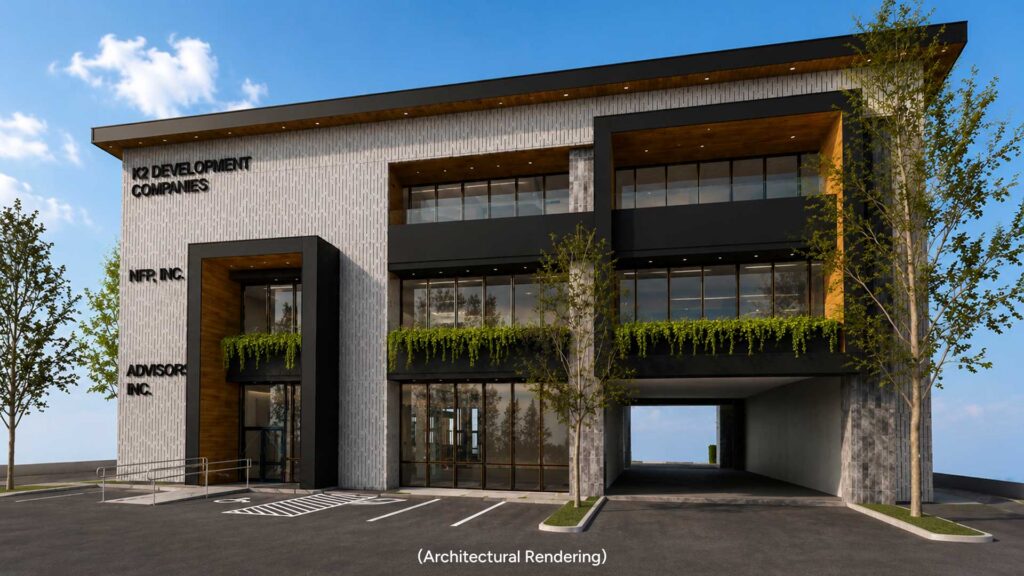
Choosing the right site is one of the most critical decisions a business can make. Whether launching a new retail location, expanding office operations, or developing an industrial facility, real estate site selection directly impacts operational efficiency, customer reach, and long-term growth. In Northern California’s competitive commercial real estate landscape, aligning location strategy with business goals is key to achieving sustained success.
Real Estate Site Selection for Retail Businesses
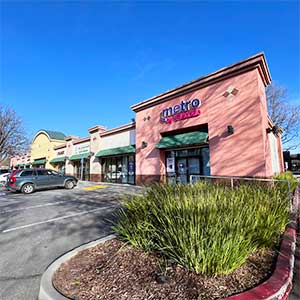 Retail site selection hinges on visibility, accessibility, and synergy with surrounding businesses. Daily vehicle and foot traffic counts can make or break a location’s viability, especially for quick-service restaurants and convenience-based service retail.
Key considerations for retail real estate site selection include:
- Visibility and signage opportunities. High-traffic corridors with unobstructed signage exposure boost brand recognition and customer attraction.
- Ingress and egress. Ease of access from main roads and intersections is essential, especially for drive-thru operators.
- Co-tenancy. Proximity to complementary tenants—such as anchor grocery stores or national brands—can increase foot traffic and enhance customer draw.
- Parking availability. Adequate parking ratios are vital for customer convenience, especially in suburban and car-dependent areas.
- Building features. Drive-thru lanes, outdoor seating, and loading areas may be essential depending on the retail model.
The right location for a fast-casual restaurant may look very different from a boutique retailer or fitness studio. Understanding the needs of your user type, customer base, and peak usage times is critical to identifying suitable sites across Northern California’s diverse submarkets.
Office Space: Balancing Layout, Culture, and Flexibility
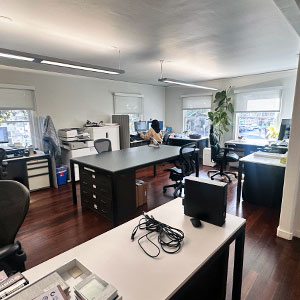 The modern office environment has evolved, driven by hybrid work models and changing expectations around collaboration and space utilization. Traditional metrics like square footage per employee—often estimated at 150-250 SF per person—remain helpful benchmarks, but flexibility is now a top priority.
When selecting office space in Northern California, consider:
- Hybrid adaptability. Flex spaces, shared conference areas, and smaller private offices accommodate hybrid schedules while supporting collaboration.
- Parking ratios. Markets vary, but a common suburban standard is 4 spaces per 1,000 square feet. Central business districts may rely more on public transit.
- Proximity to amenities. Access to second-generation restaurants, fitness, and transit can enhance employee satisfaction and recruitment.
- Client accessibility. Law firms and consulting groups may need downtown locations for visibility and client proximity, while tech firms may favor campus-style developments in suburban markets.
Choosing the right office space means aligning your environment with organizational culture and operational goals, often through flexible creative office space that adapts to evolving work styles.
Industrial Real Estate: Infrastructure and Efficiency
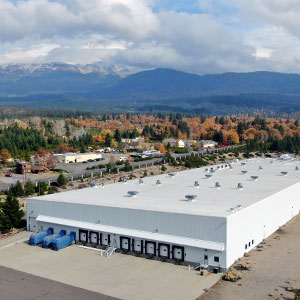 Industrial users prioritize functionality and logistics. From warehouses to manufacturing plants, real estate site selection must accommodate infrastructure needs and regulatory requirements.
Important factors for industrial sites include:
- Ceiling height and clear span. Modern distribution centers often require 24–32 feet or higher for racking and vertical storage efficiency.
- Dock-high doors and truck access. Logistics operations depend on seamless loading and transportation access, including trailer storage areas.
- Zoning compliance. Industrial sites must meet municipal zoning for light or heavy industrial use.
- Proximity to highways and ports. Transportation costs and delivery times can be significantly affected by location.
- Site size and expansion potential. Scalability is key for future growth planning.
Northern California’s industrial hubs—such as the Central Valley, Sacramento, and parts of the Bay Area—offer a mix of existing buildings and land for development. Each market comes with unique cost and infrastructure trade-offs.
Land Acquisition: Location, Utilities, and Due Diligence
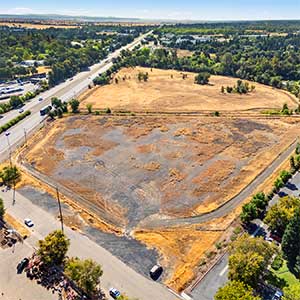 For businesses seeking to build from the ground up, selecting the right parcel of land requires careful due diligence. The wrong site can lead to costly delays and entitlement challenges.
Top considerations when selecting commercial land:
- Zoning and entitlements. Ensure the property’s current zoning aligns with intended use. Rezoning can be a lengthy process.
- Environmental assessments. Conduct Phase I and, if necessary, Phase II Environmental Site Assessments to identify contamination risks.
- Access to infrastructure. Confirm availability of water, sewer, electric, gas, and telecom connections. Offsite improvements can be costly.
- Topography and soils. Grading, drainage, and soil conditions can affect buildability and costs.
- Location relative to growth patterns. Sites near growing population centers or planned infrastructure improvements often offer stronger long-term potential.
Land development in Northern California is complex, with varying jurisdictional rules and timelines. A proactive evaluation of entitlement risks and timelines is essential.
5 Steps to Estimate How Much Commercial Space You Need
A common question during real estate site selection is: How much space do I really need? Here’s a strategic, step-by-step approach to estimate requirements based on business type:
- Define your use case. Identify the primary function of the space—retail, office, warehouse, or mixed-use.
- Calculate user demand. Estimate headcount for offices, daily customer traffic for retail, or inventory volume for industrial.
- Apply benchmarks. Use industry averages:
- Office: 150-250 SF per employee.
- Retail: 15-25 SF per customer at peak times.
- Industrial: Consider racking systems, loading requirements, and ceiling height.
- Factor in circulation and future growth. Add 10-20% buffer for hallways, shared areas, and expansion flexibility.
- Assess operational efficiencies. Evaluate if workflow or space-saving layouts can reduce footprint without sacrificing productivity.
This approach helps businesses avoid underbuilding or overcommitting, ensuring a strategic fit aligned with both current operations and future needs.
Summary
Effective real estate site selection in Northern California requires a strategic approach that considers use type, infrastructure, customer access, and long-term scalability. Whether evaluating retail frontage, configuring office layouts, or developing industrial logistics hubs, every business must align site decisions with their operational goals.
Our commercial real estate advisors bring deep market knowledge and data-driven insight to every engagement. From evaluating traffic counts and zoning regulations to modeling long-term ROI, Capital Rivers Commercial helps clients assess each site’s potential through a strategic lens.
Capital Rivers Commercial helps businesses navigate the complexities of site selection with precision and insight, delivering real estate solutions that position clients for sustained success.
Ready to find the right site for your business? Contact Capital Rivers Commercial to speak with an expert advisor or explore our available listings across Northern California.