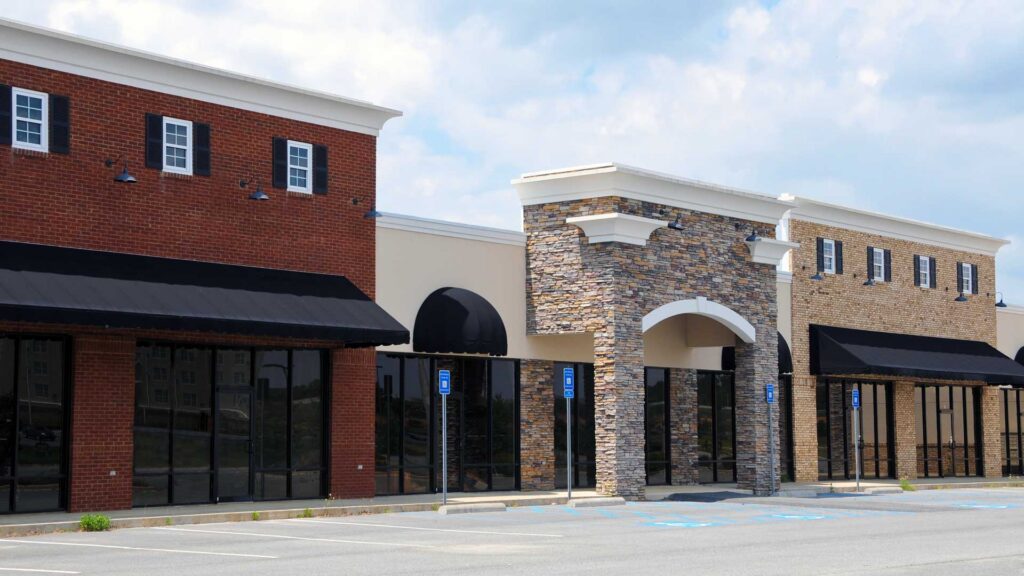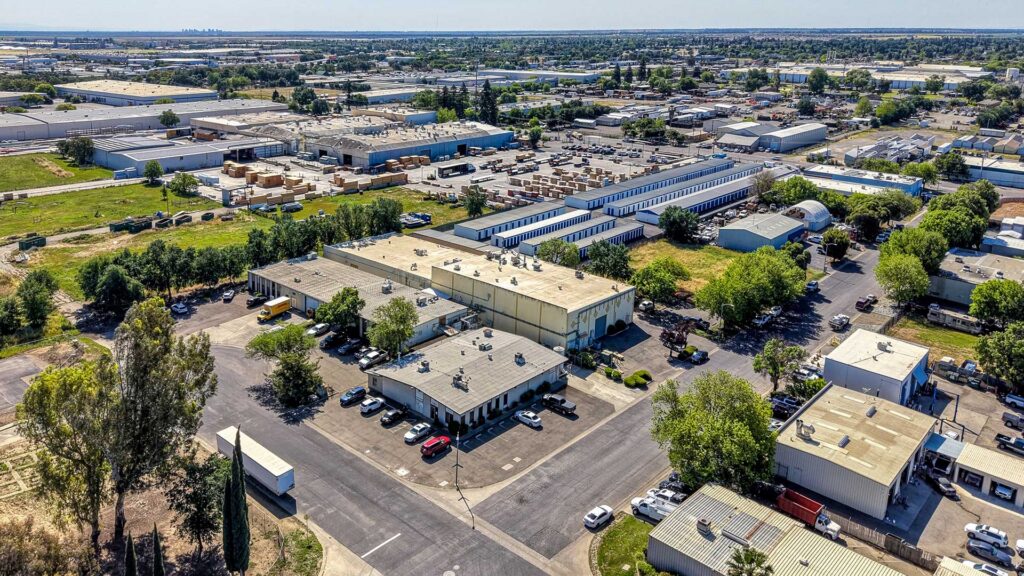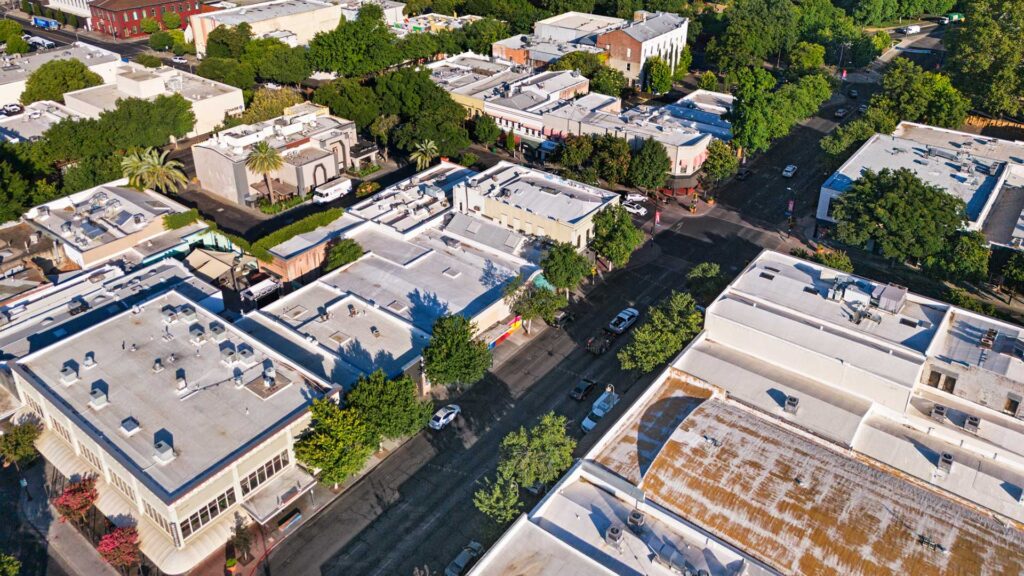
Second-generation restaurant spaces are seeing the most tenant demand in the Northern California retail real estate landscape. In a region where new construction is costly and well-located food and beverage space is in short supply, these existing restaurant-ready units are outperforming new development in investment activity and leasing.
Why Second-Generation Restaurant Space Is in High Demand
 Second-generation restaurant spaces are units previously occupied by a restaurant and already outfitted with infrastructure like grease traps, venting, hoods, and plumbing. They offer a turnkey solution for food and beverage tenants. In today’s market, their appeal is increasingly strategic:
- Lower capital expenditure: Tenants avoid the six-figure investment required to build a kitchen from scratch.
- Speed to market: Operators can open doors in a matter of weeks, not months, which is essential in a competitive dining environment.
- Cost certainty: In an inflationary construction environment, predictable renovation costs are preferable to unpredictable new build timelines.
This demand is visible across Northern California, where activity in second-generation space consistently outpaces new construction.
The Northern California Market Backs the Trend
Retail data from Sacramento, Chico, and Redding tells a consistent story: second-generation space is leading the market.
In Sacramento retail, although 470,000 square feet of new retail space is under construction, over 84% is already preleased. Most projects are build-to-suit developments for grocery stores and national retailers, not restaurants. Meanwhile, nearly 70% of the available space comes from buildings built before 1990. Leasing activity in these older spaces is high, with time on market dropping significantly.
In Chico, there is currently zero retail construction, making second-generation space the only viable option for expanding restaurant tenants. Yet leasing activity remains healthy, with over 47,000 square feet of net absorption this past year—all occurring within existing inventory.
Redding also mirrors this trend. Although a modest 39,000 square feet is under construction, absorption is heavily concentrated in older centers such as Cobblestone Shopping Center, Anderson Square, and Cascade Station. Combined, they accounted for more than 200,000 square feet of positive net absorption in 2025, while the rest of the market experienced negative absorption.
A Perfect Storm for Second-Gen Success
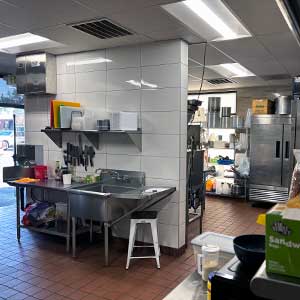 Several market factors are converging to amplify the attractiveness of second-generation restaurant real estate:
- High construction costs: In Sacramento, some estimates suggest restaurant rents would need to rise by over 40% to justify new ground-up development.
- Financing hurdles: Developers often face difficulties obtaining funding for speculative restaurant space, especially without a national credit tenant pre-commitment.
- Persistent demand for food and beverage: Despite national retail slowdowns, local and regional food concepts remain in expansion mode.
- Changing consumer patterns: Delivery, takeout, and smaller dining footprints make former QSR and casual dining units ideal for adaptive reuse.
Step-by-Step: How to Evaluate a Second-Generation Restaurant Space
Restaurant operators and investors often ask: what should I look for when considering a second-gen space? Here are five key steps:
- Assess Infrastructure: Verify the presence and condition of grease traps, hoods, gas lines, HVAC, and ADA compliance.
- Understand Zoning and Use: Ensure local ordinances and conditional use permits allow for restaurant operations.
- Calculate Total Cost to Open: Include remodels, health permits, signage, and working capital—not just the base rent.
- Analyze Trade Area Performance: Look at daytime population, neighboring tenants, traffic counts, and parking ratios.
- Negotiate Smartly: Structure lease terms to allow for renovation time and possible TI contributions.
This due diligence helps maximize ROI and reduce surprises.
Second-Generation Spaces Lead a Leaner, Smarter Market
 Today’s Northern California retail market is shaped by practicality, creativity, and efficiency. Second-generation restaurant spaces fit this moment. They offer entrepreneurs, multi-unit operators, and franchisors the ability to scale in strategic trade areas while sidestepping the costs and risks of new construction.
The numbers speak clearly: demand is there, absorption is happening, and the market is leaning into reuse. For landlords and investors, curating and improving second-gen assets presents an opportunity to attract ready-to-operate tenants in a capital-efficient way.
For tenants, these spaces present the best shot at securing a desirable location without waiting for years or blowing out their budget.
Summary
Second-generation restaurant spaces are outperforming new development across Northern California retail markets. Data from Sacramento, Chico, and Redding all point to strong demand, limited speculative construction, and high leasing velocity in older, restaurant-capable units. Cost efficiency, faster speed to market, and proven location dynamics are driving tenants and landlords alike to prioritize second-gen spaces.
Capital Rivers Commercial specializes in identifying, marketing, and leasing second-generation restaurant and retail space across Northern California. Browse our available listings or contact our team to explore opportunities that fit your growth strategy.