
Retail is evolving as national brands rethink how they reach customers in a competitive landscape. One strategy gaining strong momentum is shop-in-shop retail. This model places one brand inside another retailer’s physical space, creating a shared environment that benefits both companies while giving customers access to multiple brands in a single visit.
While the concept feels new, variations of shop-in-shop retail have existed for decades. Department stores have long featured branded counters for cosmetics and designer goods, and electronics retailers like Best Buy pioneered branded spaces for companies like Apple and Samsung. What has changed is the scale and visibility of these partnerships. Today’s shop-in-shop environments are more immersive and tied to experiential retail environments, often serving as a primary driver of foot traffic for the host retailer while helping national brands expand with less risk.
What Shop-in-Shop Retail Is and Why It Is Growing
Shop-in-shop retail refers to a dedicated branded space within a larger retail store. These spaces reflect the identity of the partner brand while operating within the host retailer’s footprint. The model allows brands to expand their presence without committing to standalone locations, while host retailers introduce new product categories and improve the in-store experience.
Several market factors are accelerating adoption. Rising real estate costs are pushing retailers to maximize efficiency and improve sales per square foot. Sharing space helps reduce overhead and spreads risk across both parties.
Consumer expectations are also shifting toward convenience and curated experiences. Shoppers value the ability to access multiple trusted brands in a single visit, which increases dwell time and basket size.
National brands are also using shop-in-shop retail as a lower-risk growth strategy. It allows them to enter new markets, test concepts, and scale quickly without long-term lease commitments. These combined factors have made the model a practical solution in today’s retail environment.
Bed Bath & Beyond and The Container Store Collaboration
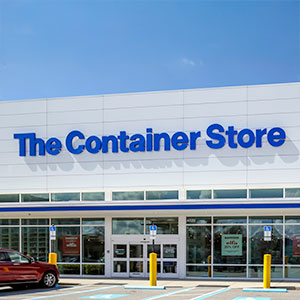 A notable recent development is the acquisition of The Container Store by Bed Bath & Beyond. This move introduces bedding and home essentials within The Container Store’s locations while aligning two brands focused on home organization and lifestyle solutions.
The integration creates a more comprehensive shopping destination for customers seeking both storage and home products.
This example highlights how retailers are combining brands and product categories within a single footprint to create more comprehensive in-store experiences.
Sephora at Kohl’s: Reinventing the Department Store Experience
One of the most visible examples of shop-in-shop retail is the partnership between Sephora and Kohl’s. Sephora replaced Kohl’s previous beauty offerings with fully branded in-store experiences.
These locations feature Sephora’s signature layout, product assortment, and trained staff. The partnership has driven increased foot traffic and attracted younger demographics to Kohl’s stores.
This model demonstrates how a strong brand can elevate a traditional retailer while benefiting from established store locations.
Ulta Beauty at Target: Strategic Category Expansion
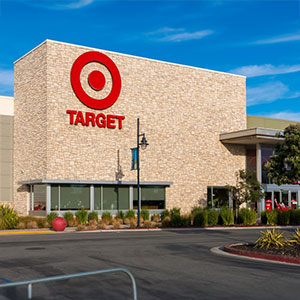 Ulta Beauty’s collaboration with Target highlights a successful application of shop-in-shop retail. Target integrated Ulta-branded spaces within select stores, offering a wide range of prestige beauty products.
This partnership allows Target to compete more directly in the beauty category while giving Ulta access to Target’s large and loyal customer base.
Target has expanded this strategy further by introducing Warby Parker shop-in-shop locations within select stores. These spaces bring eyewear and optical services into Target’s footprint, adding another high-demand category.
Together, these partnerships show how a single retailer can layer multiple shop-in-shop concepts to increase traffic, extend dwell time, and capture a broader range of consumer needs in one visit.
Toys“R”Us at Macy’s: Reviving a Legacy Brand
The return of Toys“R”Us through Macy’s locations represents a strategic revival using the shop-in-shop model.
Rather than reopening standalone stores at scale, Toys“R”Us leveraged Macy’s nationwide footprint. Dedicated toy sections within Macy’s stores feature branded displays and curated assortments.
This approach reduces overhead while reintroducing the brand to consumers in a familiar retail environment.
Petco at Lowe’s: Expanding into Service-Based Retail
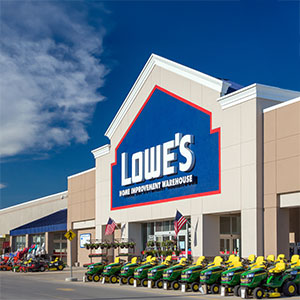 Petco’s partnership with Lowe’s introduces pet care services and products into home improvement stores. This includes veterinary services, grooming, and curated pet merchandise within Lowe’s locations.
This collaboration expands shop-in-shop retail beyond traditional merchandise into service-based offerings. It allows Lowe’s to diversify its in-store experience while giving Petco access to a new customer base.
The model highlights how shop-in-shop retail can drive traffic through necessity-based services, not just discretionary retail purchases.
Claire’s at Walmart: Mall Brands Enter Big-Box Retail
Claire’s has expanded its presence by introducing shop-in-shop locations within Walmart stores. These sections feature jewelry and accessories targeted toward younger shoppers.
This move reflects a broader shift of mall-based retailers entering big-box environments to maintain visibility and reach new audiences.
For Walmart, the partnership enhances its appeal to younger demographics and adds a category that encourages impulse purchases.
The collaboration demonstrates how shop-in-shop retail can help legacy brands adapt to changing retail formats while supporting host retailers with incremental traffic and sales.
Party City at Staples: Driving Traffic Through Seasonal Offerings
Another innovative example is the introduction of Party City sections within Staples stores.
This partnership brings seasonal and event-driven merchandise into an office supply environment. It allows Staples to diversify its offerings while giving Party City access to new customer segments.
The model demonstrates how shop-in-shop retail can activate underutilized space and introduce new revenue streams.
The Impact on Commercial Real Estate
Shop-in-shop retail is influencing how retail spaces are leased, designed, and utilized.
Landlords are seeing increased demand for flexible layouts that accommodate multiple brands. Retail tenants are prioritizing adaptable spaces that can evolve with partnerships.
This trend also supports the continued relevance of brick-and-mortar retail. By creating dynamic, multi-brand environments, retailers can offer experiences that online shopping cannot replicate.
The Future of Shop-in-Shop Retail
Shop-in-shop retail is expected to continue expanding as retailers seek innovative ways to grow.
Future developments may include more data-driven partnerships, enhanced in-store technology, and deeper brand integrations. Retailers that embrace collaboration are likely to remain competitive in a rapidly changing market.
Summary
Shop-in-shop retail reshapes how national brands expand within physical retail environments. By sharing space, retailers reduce costs, increase efficiency, and create more engaging in-store experiences. Partnerships like Sephora at Kohl’s, Ulta Beauty at Target, and Toys“R”Us at Macy’s show how this model drives foot traffic and attracts new customer segments. Emerging collaborations in home goods and non-traditional categories further demonstrate its flexibility and long-term potential.
For commercial real estate, this trend is influencing leasing strategies, store design, and tenant mix. Retailers are prioritizing adaptable spaces that can support evolving partnerships, while landlords benefit from stronger occupancy and diversified tenants.
Capital Rivers Commercial works with retailers and property owners to identify opportunities that align with emerging retail strategies like shop-in-shop retail. Connect with our team are explore available properties and position your business for long-term growth in an evolving market.