Opens in a new tab

Bringing communities what they’re missing.

Economic development advisory for cities and counties that need more than retail recruitment. Through our CRC Connect program, we bring a developer’s judgment to the questions that decide whether a project happens, as an extension of your team or as the team itself.

The core reality.

Retail is not recruited.
It is evaluated.

Most communities don’t struggle for lack of effort, relationships or outreach. Retailers and developers already have expansion plans, broker networks and internal analytics. When they look at a market, the answer is often no. The problem is that the city or county rarely learns why, or whether anything could have moved the decision forward. Usually it comes down to a question about demand, a site or the path to opening that was never answered.

That is where most retail recruitment misses the mark, and where our work begins. We help cities and counties answer those questions early, with facts a decision-maker can use.

Cities don’t control a brand’s strategy or timing. They do control how clearly their sites, data and approval process are presented, and whether friction surfaces early or late. That is the part of the decision a community can shape, and it is where we focus.

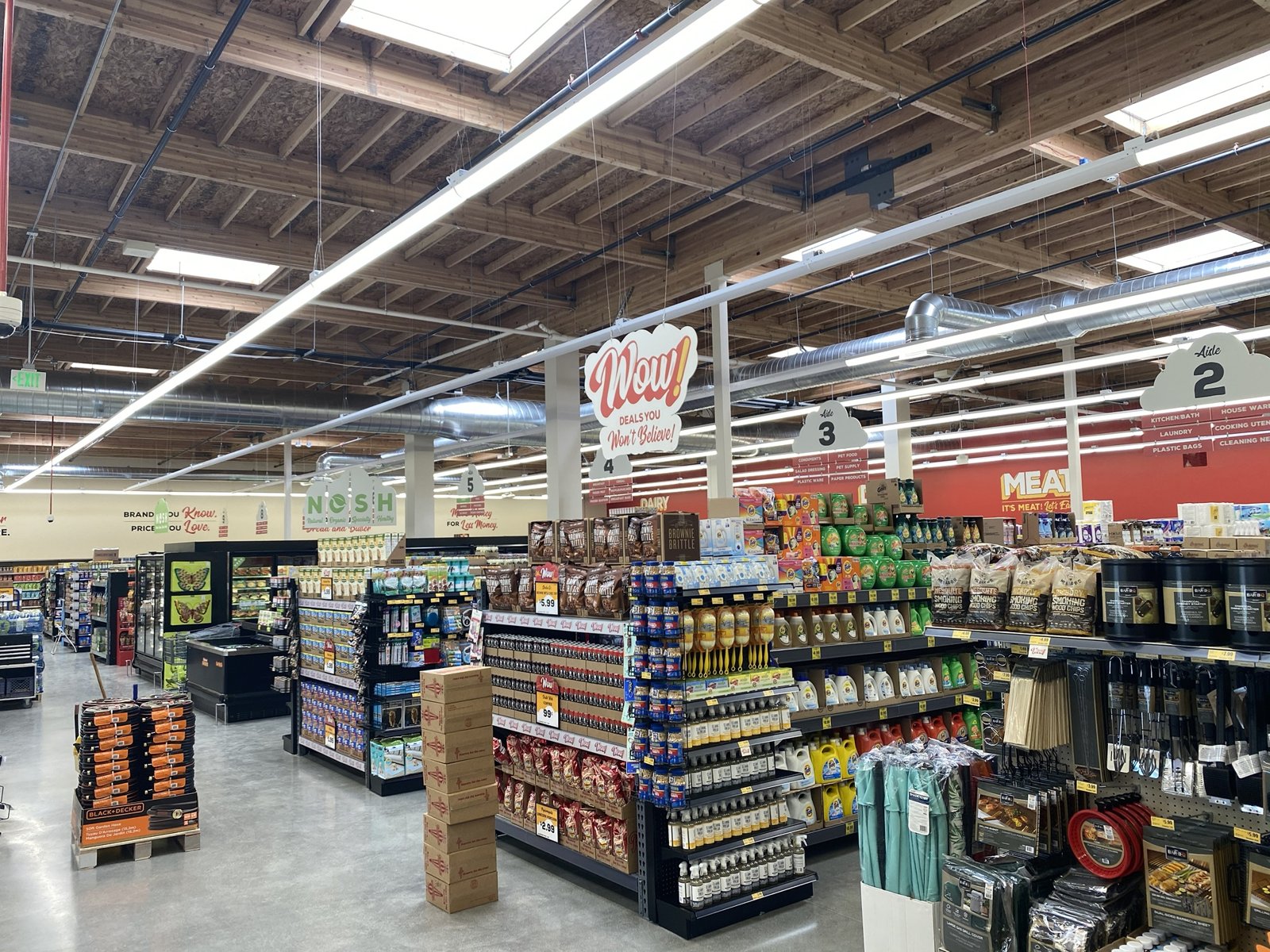
Interior of the Grocery Outlet in Taft, California
Beyond retail recruitment.

Different work, from a different starting point.

Awareness and outreach have their place. Decisions are made further down, where sites, economics and approvals live. That is where we spend our time.

Typical retail recruitmentHow we work
Starts with a market report and a long prospect listStarts with the brands that already fit and the sites that could serve them
Describes the market in demographicsBenchmarks your market and sites against a brand’s best-performing locations, using drive-time trade areas and visitor data
Delivers a report or a scoreTurns the analysis into a recommendation: advance, investigate further or pass
Measures activity: calls made, conferences attendedMeasures progress: opportunities that move from interest toward opening
Stops at whether a brand is interestedContinues to whether the project works for the retailer, the developer and the lender
Treats every lead as worth chasingGives you a clear “not yet” when the numbers aren’t there, so resources go where they can work
How decisions move.

Four questions every location decision has to clear.

Interest opens the door. A decision moves forward only when each of these questions is answered, in order. We build the evidence for each one, and we tell you plainly where a deal is likely to stall.

1Is demand plausible for this concept?

We start from specific brands, not categories, and measure the trade area the way their real estate teams do, including whether a new store would add sales or simply pull them from the brand’s nearby locations.

2Could a real site work?

Real parcels, zoning, access and costs. Without a deliverable site, there is no opportunity yet.

3Does the project pencil?

Construction cost, rent and sales support, for the retailer, the developer and the lender. This is where most deals quietly break.

4Is the path to opening clear?

Approvals, timing and city-controlled costs, surfaced early rather than discovered late.

The developer’s view.

The question most advisors can’t answer: does it pencil?

We develop and own commercial real estate, and we advise growing brands on where to expand, so we see these decisions from the inside. We have taken our own projects through planning, entitlements and permitting, so we know which approvals, fees and timelines a developer asks about first. That lets us test what a market report can’t: whether a project works for the retailer, the developer and the lender.

A high-level pro forma isn’t a prediction of returns. It shows where a deal breaks, which assumptions matter most and whether the execution risk is manageable. When the numbers work, you go to market with a case that holds up to scrutiny. When they don’t, you know why, and what would have to change.

A benchmark score is where our judgment starts, not where it ends. Every analysis closes with a clear recommendation: advance, investigate further or pass.

The retailer’s view.

We have sat on both sides of the table.

Our economic development lead began his career on the retail side, helping established and emerging brands decide where to open next, using customer analytics and market evaluation. Then he reversed the process, working with cities to understand which brands were missing from their markets and how to attract them.

Fifteen years later, that dual perspective is the foundation of our work. We can explain how a brand’s real estate team makes a decision, where a community can meaningfully influence it, and where the decision is driven by factors no city controls.

Brands our team has worked with

Trader Joe’s · In-N-Out Burger · GameStop · Foot Locker · Uncle Julio’s

Active in

ICSC and the ICSC Next Gen Leadership Network · TeamCalifornia · California Association for Local Economic Development · Association of Washington Cities

SMART Analysis in practice.

Benchmarked against where a brand already succeeds.

Each site is scored against the brand’s own existing locations, where 100 equals the average of those locations. Above 100, the site looks stronger than where the brand already operates. Below 100, it looks weaker.

ConceptWhereBenchmarkWhat it showed
Trader Joe’sBay Area coastal city3 sites, 20-minute trade areas, against 27 existing storesTwo sites scored above the store average (107 and 103), one below (85), so the city knew which locations to lead with
Swensons Drive-InNortheast Ohio suburb3 sites against 23 existing Ohio restaurantsAll three outperformed the benchmark; the trade area showed $42.6 million in restaurant spending leaving the market, with a ready-built former restaurant ranked first
Peet’s CoffeeCentral Valley city10-minute trade area against 5 regional storesScored 93, close to the brand’s regional average, with household incomes above $111,000
Drive-thru coffeeNorthern California county3 sites against comparable drive-thru and specialty coffee locationsScores of 103, 97 and 96: one site at parity or better, and income as the gap to watch
Recent work.

Clear answers, including the hard ones.

A yes is the goal. A well-founded “not yet” is often worth as much, because it keeps public money and staff time pointed at what can work.

A Central Valley city

A dog park and food truck plaza on public land

The City was weighing financial support for a privately operated venue in a city park. We reviewed the operator’s plan, budget and pro forma, studied comparable venues across the Central Valley and the Bay Area, and showed where the numbers leaned on hope: more than 45 percent of first-year rent depended on sales above a $960,000 breakpoint, and debt service would rise about 40 percent once interest-only payments ended.

The City concluded the project was too risky to move forward as proposed.
A Northern California county

Raising Cane’s, benchmarked site by site

We compared two candidate sites against 15 existing California Raising Cane’s trade areas. Growth was strong, with household income projected to rise 15 to 20 percent over five years, but both sites still scored below the brand’s average location on today’s population and spending.

The County came away knowing what has to improve to win the brand, with a brand-ready packet for when it does.

A California community

A higher-end garden center

A SMART Analysis compared the community with the trade areas where the concept already performs. Population and household incomes had not yet reached the level its best locations draw on.

The answer was “not yet,” and the community shifted its focus to the new housing that will build that customer base.

CRC Connect.

The work.

CRC Connect is how we deliver economic development advisory. Engagements run on a monthly cadence, with priorities revisited as outreach, feedback and market signals come in. Start with the Beyond Recruitment Workshop, or go straight to the work.

1Beyond Recruitment Workshop

Align council, staff and partners before you act

An interactive workshop on how location decisions are made and where they stall. Participants test their own market narrative the way an investor would, using our workbook, with retail leakage and void reports for your jurisdiction as the baseline.

2SMART Analysis

Benchmarked against where a brand already succeeds

We compare your market and specific sites with a brand’s best-performing locations, using drive-time trade areas, visitor and mobility data and the platforms national retailers use. The result is a clear read on whether a site behaves like the places where the concept already works. Past analyses include Raising Cane’s, Trader Joe’s, Peet’s Coffee and Swensons, benchmarked against as many as 27 of a brand’s existing locations.

3Targeting and positioning

Fewer, better targets, and the case to make to them

Together we build a prioritized target list and a market overview written in decision terms: trade area, sites, approvals and timing. It is built for direct outreach, email campaigns and trade shows, with inserts for specific opportunity types.

4Feasibility

Whether the project works for everyone at the table

High-level project economics and development feasibility screening, for retail and for the other projects a community is weighing, from public spaces to performing arts venues to revenue from city-owned land. We walk your team through how a developer evaluates a project, so you understand what drives a yes and what stops one.

5Outreach and representation

An extension of your team, or the team itself

We lead or jointly run outreach to retailers, developers and brokers, refine your materials and website positioning, and present to City Council, Planning Commission and senior leadership. We work alongside your staff and the brokers and developers you already trust, and our brokerage team and the rest of the firm support the effort with what they see in the market every day.

After the analysis.

Not a report for the shelf.

An engagement is a working relationship, and a community of cities and counties working on the same questions. Here is what that includes today. We keep adding to it.

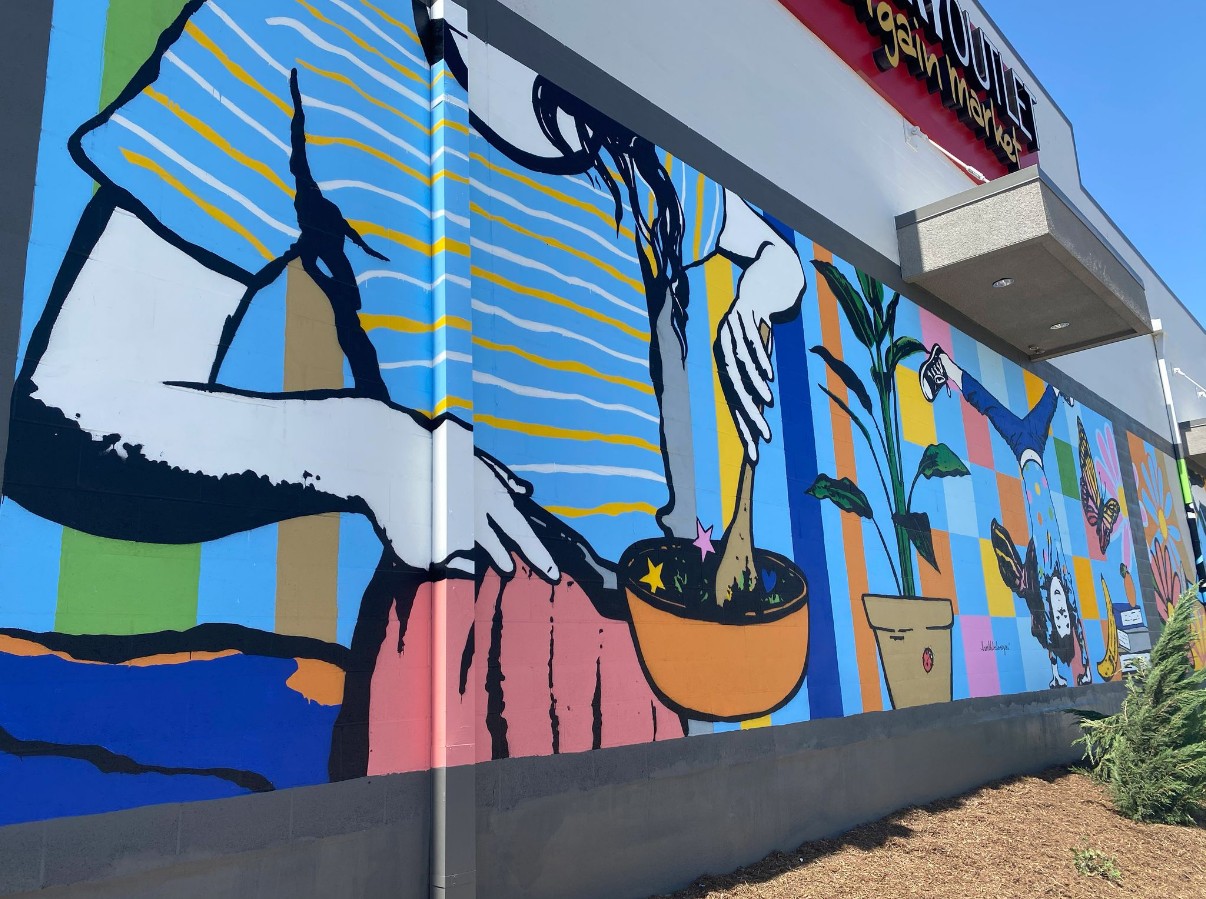
Community mural on the Grocery Outlet in Taft, California
  • The Beyond Recruitment WorkshopMonth one brings council, staff and partners together on how location decisions are made and where yours stall.
  • One-on-one working sessionsCoaching, brainstorming and problem-solving with your team as opportunities come up.
  • Materials that get usedTrade show materials and messaging refined in decision terms, ready for the conversations that matter.
  • Progress you can seeMonthly updates, more often when things move, and a dashboard that tracks each opportunity.
  • Our industry newsletterWhat is happening in retail, biotech, industrial and economic development, so your team stays current.
  • Speakers and webinarsGuest experts on the topics in front of your community.
  • A network of peersEconomic development leaders from other communities, sharing what is working and what is not.

Every engagement has an experienced senior lead and a data and spatial analyst on the analysis, with specialists from across the firm brought in as the scope requires. Our economic development lead has spent fifteen years on both sides of the table, advising retailers on where to open and communities on how to attract them.

Beyond retail.

Not every question a city brings us is about retail.

The logic that decides whether a store comes to town also governs office, industrial, healthcare, hospitality and advanced manufacturing: who will use it, where it can go, whether it pencils and how it gets done. Beyond retail, we have helped cities test projects like these, drawing on the experience and relationships of the whole firm.

  • Public spacesFood truck parks and dog parksDemand, siting, operating models and what it takes to make a gathering place work.
  • Civic and culturalTheater and performing arts venuesWhether a venue can be built, operated and sustained, and what it needs around it to succeed.
  • Municipal revenueCell tower leasing on public landWhich city-owned sites carriers would pay to use, and what the revenue could look like.
Ask the people we’ve worked with.

“Capital Rivers brings a focused, practical approach grounded in real estate and development experience, and they always put the community’s best interest first. I’ve watched them show up for communities because they believed they could help. You can trust them to do what is right.”

Robin ReimoldFormer President & CEO, TeamCalifornia

A member of TeamCalifornia and ICSC. Serving cities, counties and economic development organizations across the country.

Questions.

What cities and counties ask us.

Are you a retail recruitment firm?

We do the work cities hire retail recruitment firms for, and we go further. Retail recruitment usually centers on awareness: market reports, prospect lists and outreach. We focus on what decides whether a project happens: specific brands, real sites, project economics and the path to opening. Because we develop and own commercial real estate, we can test whether a project works for the retailer, the developer and the lender, not only whether a brand is interested.

Do you only work on retail?

No. Retail is where most of our work starts, and it is the least forgiving test of a market. We have also helped cities evaluate food truck parks and dog parks, theater and performing arts venues and cell tower leasing on city-owned land, drawing on the experience and relationships of the whole firm.

Can you guarantee a retailer will open?

No one can honestly promise that. Retailers control their own strategy and timing. What we can do is make sure your community is evaluated on accurate, decision-ready information, and that your effort goes to the opportunities most likely to move.

What does an engagement look like?

Most start with our Beyond Recruitment Workshop for council, staff and partners, or with a SMART Analysis. Many begin even earlier, with a complimentary void and gap analysis. Ongoing engagements run on six- or twelve-month terms and continue month to month after that. Along the way you get one-on-one working sessions, refined materials, monthly progress updates and a dashboard that tracks each opportunity. We can support your economic development staff or serve as your economic development team.

Will you tell us when an opportunity isn’t a fit?

Yes. A clear “not yet” saves a community time, money and credibility. When a brand or a site doesn’t work, we explain why and what would have to change.

You also develop and broker real estate. How do you handle conflicts?

Our duty is to the community we are advising. If our firm ever has a principal or brokerage interest in an opportunity, we disclose it and step aside from that deal. In practice it has not been an issue, and the communities we work with tell us the firm’s development and brokerage experience is one of the most valuable parts of the engagement.

Where do you work?

Across the country. We are based in California and work with cities, counties and economic development organizations wherever the fit is right, from the West Coast to Ohio.

Start here.

See how we work before you commit.

Two ways to start. Both are complimentary for cities, counties and economic development organizations.

Retail void and gap analysis

Which retailers operate in comparable trade areas but are missing from yours, and where residents’ spending leaves your market, category by category. The conversation starts with brands that already fit and gaps worth pursuing.

Request a void and gap analysis

An investor’s read of your pitch

Send us your current market pitch or investor webpage. We’ll show you where an investor would stop reading, and what would keep them going.

Send us your pitch

Ready to talk now? Start a conversation

The newsletter.

Stay informed.

Get our market reports, project updates and economic development insights.