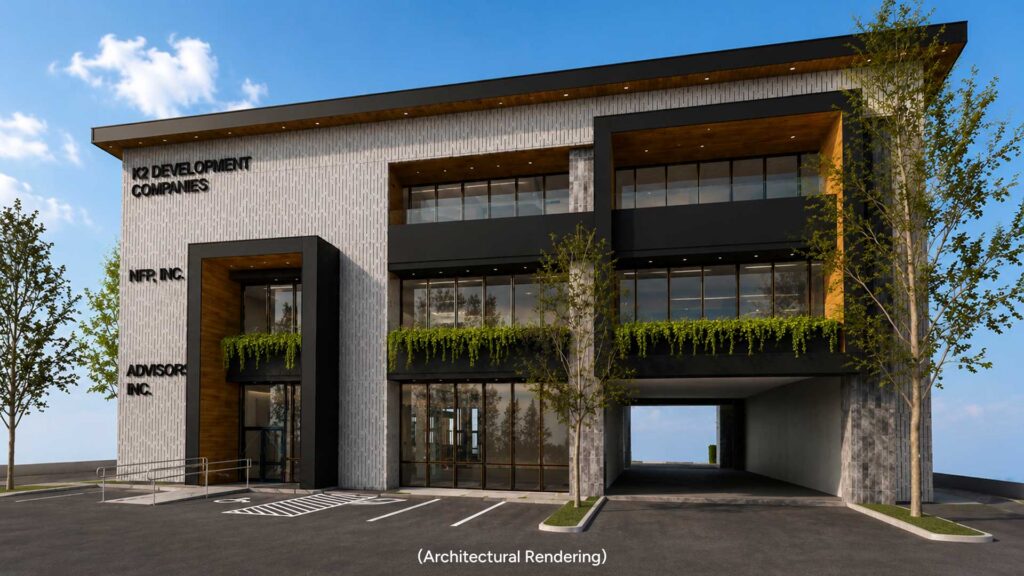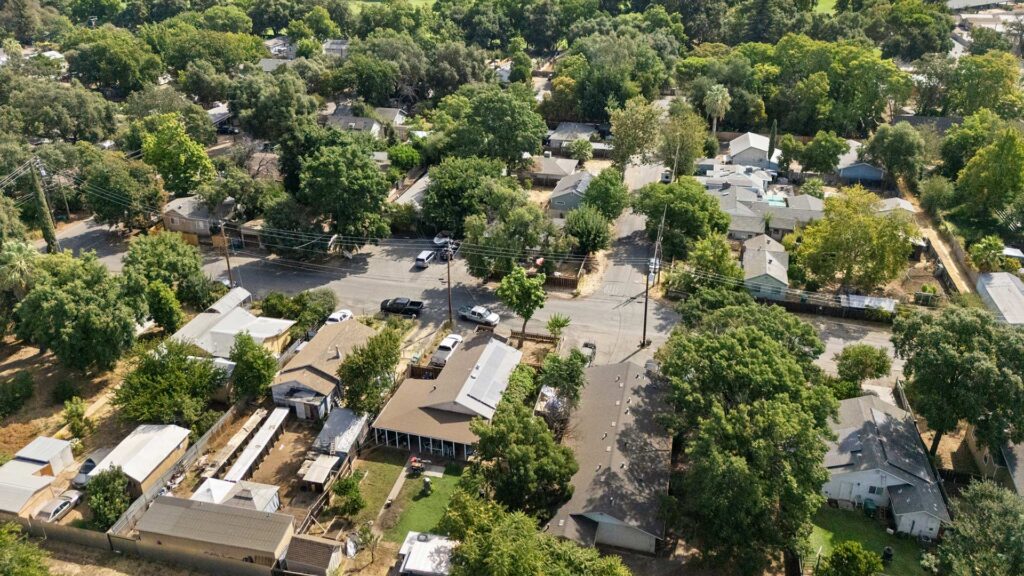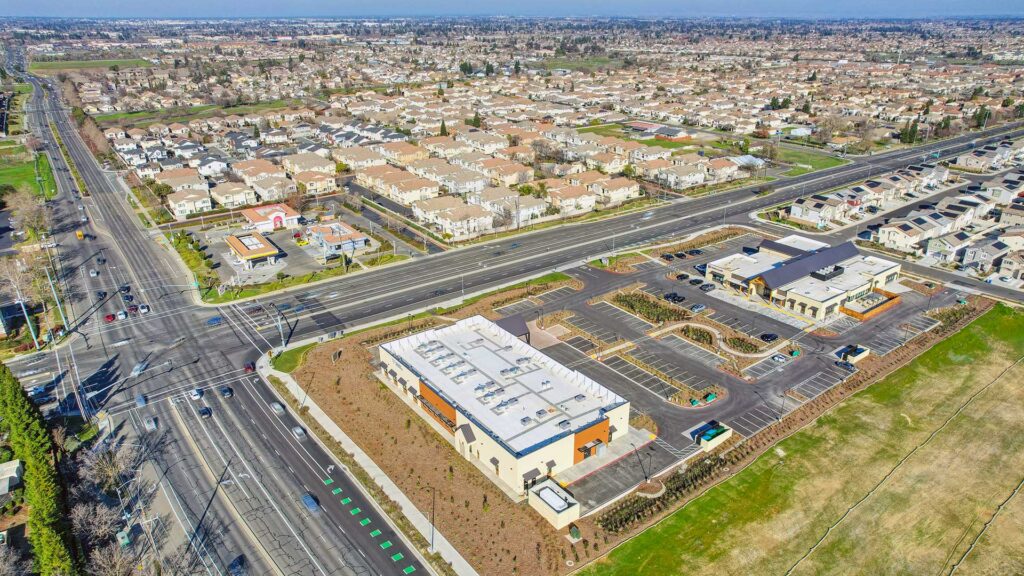
The built environment in Northern California is shifting, and mixed-use commercial development is increasingly being explored as one response. These projects combine residential, retail, and office uses in a single footprint. While often framed as a way to meet housing needs and revitalize underutilized commercial areas, the outcomes and feasibility of these developments vary significantly by location.
Why Mixed-Use Commercial Development Is Gaining Attention
 Mixed-use development is receiving more focus as cities adapt to new real estate patterns. With experiential retail evolving and office space needs in flux, combining property types has emerged as a potential strategy for maximizing land use and adding density. Some cities see this as a tool to address housing shortages and improve urban form.
However, interest doesn’t necessarily mean effectiveness. While demand for walkable, amenity-rich environments has increased in parts of Northern California, not all markets have the economic base or infrastructure to support mixed-use development at scale. Each submarket must be evaluated on its own merits.
Market Indicators for Mixed-Use Projects in Northern California
Recent data from our market reports highlights key market dynamics:
- Multifamily: In Sacramento, over 7,500 market-rate units were delivered between 2023 and 2024. Vacancy is at 6.5%, and rent growth has stalled at -0.1%. Downtown remains a focal point, but the pace of absorption is a concern.
- Office: Office vacancy in Sacramento is 11.3%. Demand is shifting toward smaller, amenity-driven spaces. Projects like Aggie Square illustrate efforts to reposition office as part of mixed-use environments.
- Retail: Retail space remains limited, with only 10% of under-construction space unleased in Sacramento. However, this mostly applies to Class A locations. Older retail corridors face ongoing challenges.
Chico and Redding echo similar tensions: constrained new supply in multifamily, flat or improving office fundamentals, and uneven retail absorption. These conditions may support selective mixed-use development, but not uniformly.
California Laws Encouraging Mixed-Use Redevelopment
Several state laws have lowered barriers for mixed-use projects on commercial land:
- AB 2011 and SB 6 streamline residential and mixed-use development on sites previously zoned for retail, office, or parking. Projects must meet labor and affordability standards.
- AB 1050, taking effect in 2026, eases restrictions on converting commercial land to housing where old deed covenants or zoning limits apply.
While these laws do not mandate mixed-use formats, they make such redevelopment legally possible in more places. Their impact will depend on how cities implement them and how developers respond to market conditions.
Weighing the Realities of Mixed-Use Development
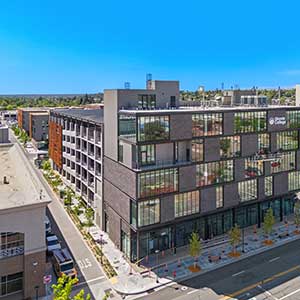 Mixed-use commercial real estate development is a growing trend in Northern California, but its application and success are highly dependent on local market conditions. Some jurisdictions have encouraged integration of housing, retail, and office to increase density, reduce traffic, and revitalize commercial corridors. In theory, combining asset classes can promote walkability and generate diversified income streams.
In practice, however, not all markets support the retail components that often come bundled with mixed-use projects. Brokers and developers have voiced concerns about mandated ground-floor retail—particularly in suburban or slower-growth areas—where tenant demand may not justify the space. Vacant retail units can undermine project performance, both visually and financially. Financing can also be harder to secure when projected lease-up of retail space is weak.
Cities may support mixed-use projects through zoning incentives, faster entitlements, or long-range plans, but that doesn’t guarantee absorption across all uses. Developers increasingly seek flexibility in design—such as ground-floor spaces that can convert between retail, office, or amenity functions—as a hedge against market volatility.
Mixed-use is a tool, not a guarantee of success. Its effectiveness depends on understanding hyperlocal dynamics, tenant demand, and financing realities.
Key Considerations for Mixed-Use Project Success
Mixed-use projects come with unique opportunities and challenges. Success depends on thoughtful planning and market alignment. Below are practical factors developers and stakeholders should keep in mind when evaluating or launching a mixed-use property:
- Conduct cross-sector market research. Understand demand across residential, retail, and office sectors to shape an appropriate mix.
- Prioritize walkability and connectivity. Access to transit, parking, and safe pedestrian corridors is essential.
- Design for flexibility. Office and retail needs shift rapidly; design spaces that can adapt.
- Secure anchor tenants early. Grocery stores, fitness centers, or medical users can stabilize a project.
- Engage local stakeholders. Involving community groups and city officials early can streamline entitlements and build local support.
Mixed-Use Commercial Development in Northern California
 Mixed-use development in Northern California varies widely by location. Sacramento faces strong housing pressure, but retail and office absorption remain inconsistent. Innovation districts like Aggie Square and have adopted integrated models, though these often rely on public-private partnerships and institutional anchors.
Local governments may continue to push for mixed-use formats through zoning or planning policy. But success hinges on nuanced execution, tenant demand, and financial feasibility. Developers and investors should remain cautious and data-driven.
Summary
Mixed-use development in Northern California is being considered more frequently in response to evolving commercial land use and state policy. While these projects can offer certain efficiencies, they also present significant risk—especially when retail demand is overestimated or mandated in areas that cannot support it. Evaluating these projects requires a measured, local-market-specific approach.
Final Thoughts on Mixed-Use Viability
Mixed-use commercial development is one potential strategy for rethinking how real estate is delivered in Northern California. However, it is not universally suitable or profitable. Its effectiveness depends on zoning, financing, tenant demand, and a clear understanding of local dynamics.
Capital Rivers Commercial monitors these conditions closely and works with clients to assess when mixed-use is viable—or when alternative approaches make more sense. Contact our team to discuss active listings or project feasibility.