Property value in commercial real estate is not fixed. It evolves as buildings age, market expectations shift, and surrounding conditions change. One of the important concepts that explains this change is property obsolescence in real estate. Understanding how and why properties lose value helps investors, owners, and tenants make better long-term decisions and avoid costly missteps.
Understanding Property Obsolescence in Real Estate
Property obsolescence in real estate refers to the loss of value or usefulness of a property due to factors beyond normal physical wear and tear. While all buildings age, obsolescence focuses on how well a property meets current market standards, tenant expectations, and economic conditions.
There are three primary types of obsolescence:
- Physical obsolescence
- Functional obsolescence
- Economic (external) obsolescence
Each type impacts value in different ways. In many cases, a property may experience more than one form at the same time.
Physical Obsolescence
 Physical obsolescence is the most visible form of depreciation. It refers to the natural deterioration of a building over time due to use, weather, and aging materials.
Common examples include:
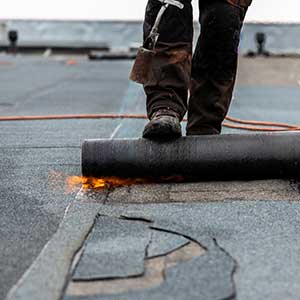
- Roof deterioration and leaks.
- Outdated or failing HVAC systems.
- Structural wear such as cracks or foundation issues.
- Aging plumbing and electrical systems.
This type of obsolescence is often predictable and can be managed through regular maintenance and capital improvements.
Some physical issues can be corrected through repairs or upgrades, while others are more permanent due to cost or structural limitations. Investors often evaluate physical obsolescence during property inspections and underwriting. Proper maintenance planning can slow depreciation, but it cannot eliminate it entirely.
Functional Obsolescence
Functional obsolescence occurs when a property’s design, layout, or features no longer meet current market expectations. Unlike physical deterioration, the building may still be in good condition but fails to serve modern needs efficiently.
Examples include:
- Outdated floor plans that limit flexibility.
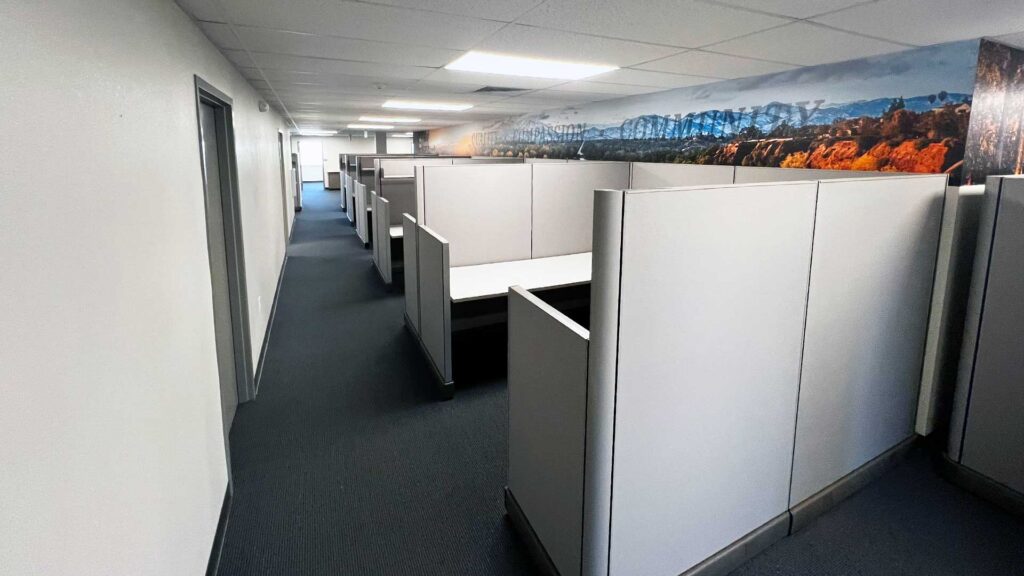
- Low ceiling heights in industrial or office spaces.
- Insufficient parking or poor site access.
- Lack of modern amenities or technology infrastructure.
Some functional issues can be improved through renovation or redesign, while others are limited by the building’s core structure and are not practical to change. These limitations often influence how competitive a property is in the market.
Functional obsolescence is especially important in today’s market, where tenant expectations evolve quickly. Modern office users may demand open layouts and collaborative spaces, while industrial tenants prioritize clear heights and efficient logistics flow.
Failing to address functional issues can lead to longer vacancy periods, reduced rental rates, and diminished competitiveness in the market.
Economic Obsolescence
Economic obsolescence, also known as external obsolescence, is caused by factors outside the property itself. These influences are typically beyond the owner’s control and can have a significant impact on value.
Common causes include:
- Changes in surrounding land use.
- Economic downturns affecting demand.
- Increased competition from newer developments.
- Infrastructure changes that reduce accessibility or visibility.
- Environmental issues or neighborhood decline.
Economic obsolescence is typically considered incurable, as these external factors cannot be addressed through property improvements. Property owners cannot directly fix these conditions, making this type of depreciation particularly challenging.
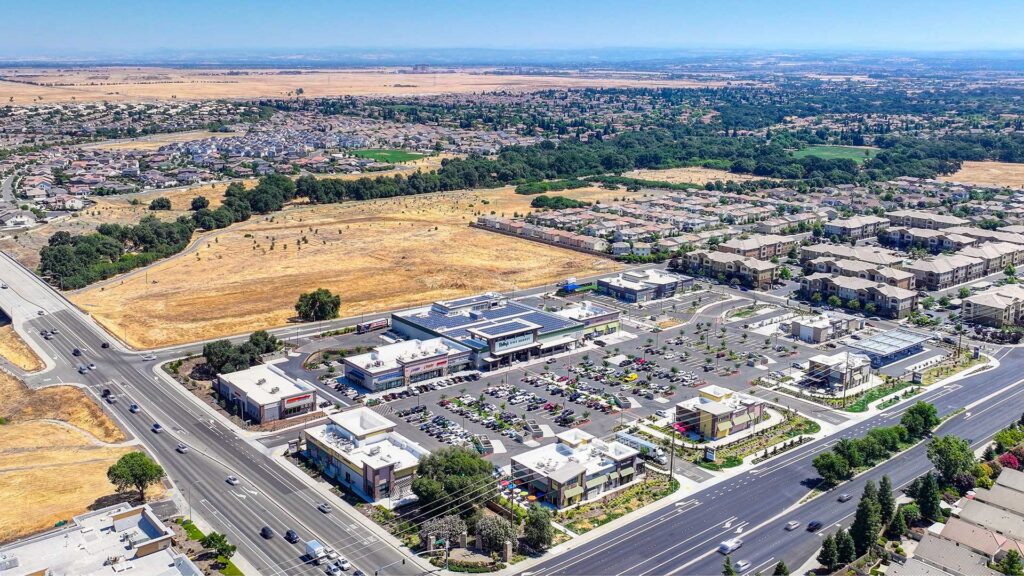
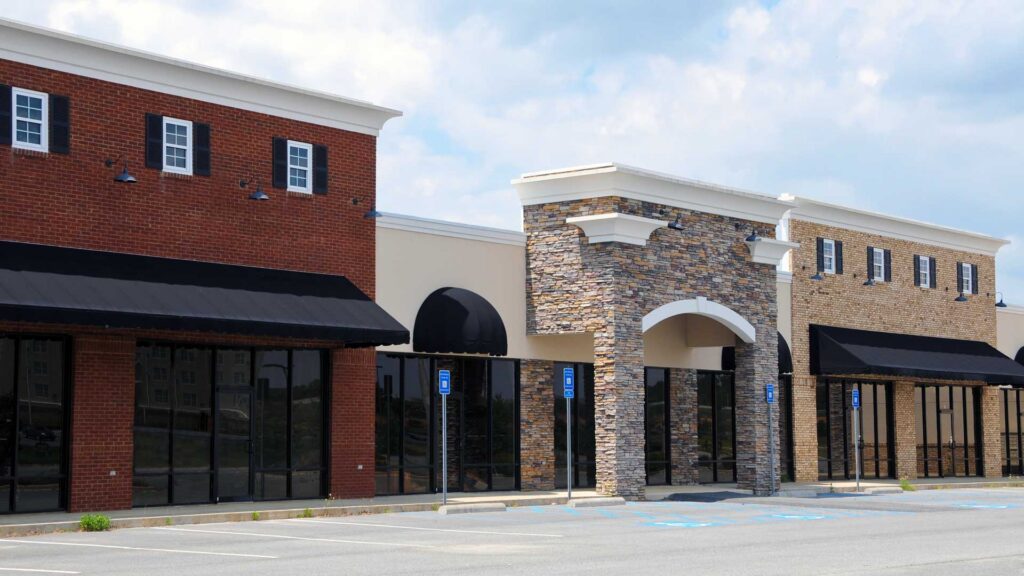
For example, a well-maintained retail center may lose value if consumer traffic shifts to a different corridor. Similarly, an office building may struggle if the surrounding area loses major employers.
Investors often analyze economic trends, population shifts, and development pipelines to assess the risk of external obsolescence before acquiring a property.
Curable vs. Incurable Obsolescence in Real Estate
 In commercial real estate, obsolescence is often evaluated based on whether it can be corrected in a cost-effective way. This is where the distinction between curable and incurable obsolescence becomes important.
Curable obsolescence refers to issues that can be fixed at a cost that is justified by the increase in property value or performance. These are typically addressed through renovations, system upgrades, or layout improvements. When executed correctly, these changes can enhance leasing potential and extend a property’s useful life.
Incurable obsolescence refers to deficiencies that are not economically feasible to correct. This may be due to structural constraints, high costs relative to value gained, or external factors outside the property owner’s control. In these cases, the issue remains and must be accounted for in valuation and investment strategy.
Understanding this distinction helps investors determine where to allocate capital and whether a property presents a value-add opportunity or a long-term limitation.
How to Identify Property Obsolescence in Real Estate
Recognizing obsolescence early allows owners and investors to take proactive steps. A structured evaluation process helps uncover risks that may not be immediately obvious.
What are the key steps to identify property obsolescence in real estate?
- Conduct a detailed property inspection. Evaluate structural components, systems, and overall condition.
- Compare the property to current market standards. Analyze competing properties to identify gaps in design, features, and amenities.
- Assess tenant needs and expectations. Consider how user preferences have evolved across property types.
- Review financial performance trends. Look for declining rents, increased vacancies, or rising operating costs.
- Analyze external market conditions. Study economic indicators, neighborhood trends, and future developments.
This process helps distinguish between issues that can be addressed and those that require a change in investment strategy.
Why Property Obsolescence Matters for Investors and Owners
Property obsolescence in real estate directly impacts valuation, leasing potential, and long-term returns. Ignoring it can lead to declining income and reduced asset value.
Key considerations include:
- Investment strategy alignment. Value-add investors often target properties with curable obsolescence, while long-term holders focus on minimizing risk.
- Capital planning. Understanding obsolescence helps prioritize improvements and allocate resources effectively.
- Tenant retention. Properties that meet modern expectations are more likely to attract and retain tenants.
- Exit strategy. Buyers closely evaluate obsolescence, which can influence pricing and marketability.
In competitive markets, properties that fail to adapt often fall behind quickly. Strategic upgrades and informed decision-making can extend a property’s lifecycle and maintain its relevance.
Navigating Property Obsolescence in Real Estate
Property obsolescence is a critical concept that affects every commercial asset over time. Physical wear, outdated design, and external economic forces all contribute to a property’s decline in value. By understanding the differences between physical, functional, and economic obsolescence, investors and owners can better assess risk and identify opportunities for improvement.
A proactive approach that includes regular evaluations, targeted upgrades, and market awareness can mitigate the effects of obsolescence. While some factors are unavoidable, many can be managed with the right strategy and timing.
For those navigating acquisitions, dispositions, or portfolio management, recognizing obsolescence is essential to making informed, data-driven decisions.
Looking to evaluate or reposition a commercial property? Capital Rivers Commercial provides expert guidance on identifying value opportunities and mitigating risk across retail, office, industrial, multifamily, and land assets. Connect with our team to discuss your investment strategy or view our available listings.