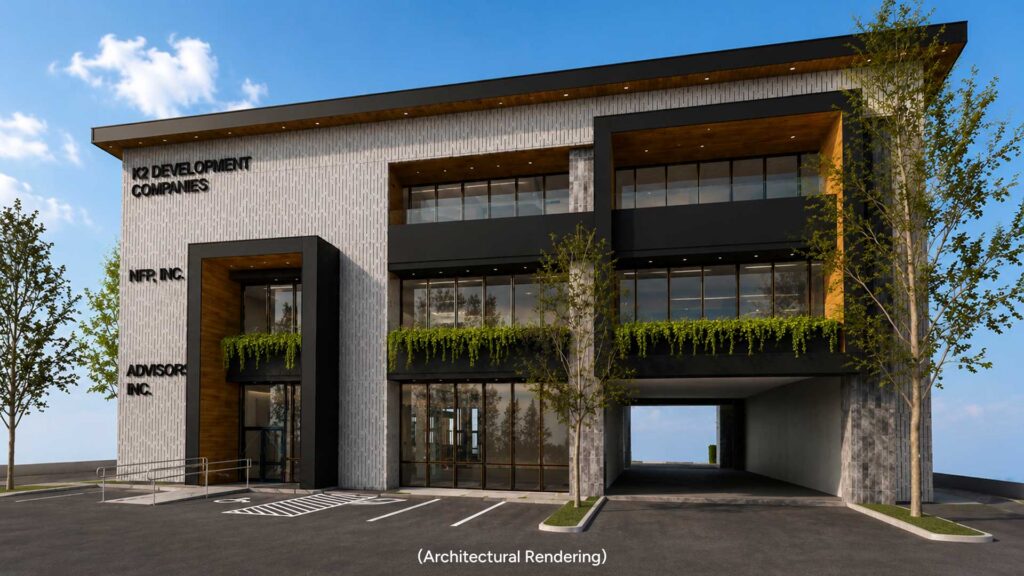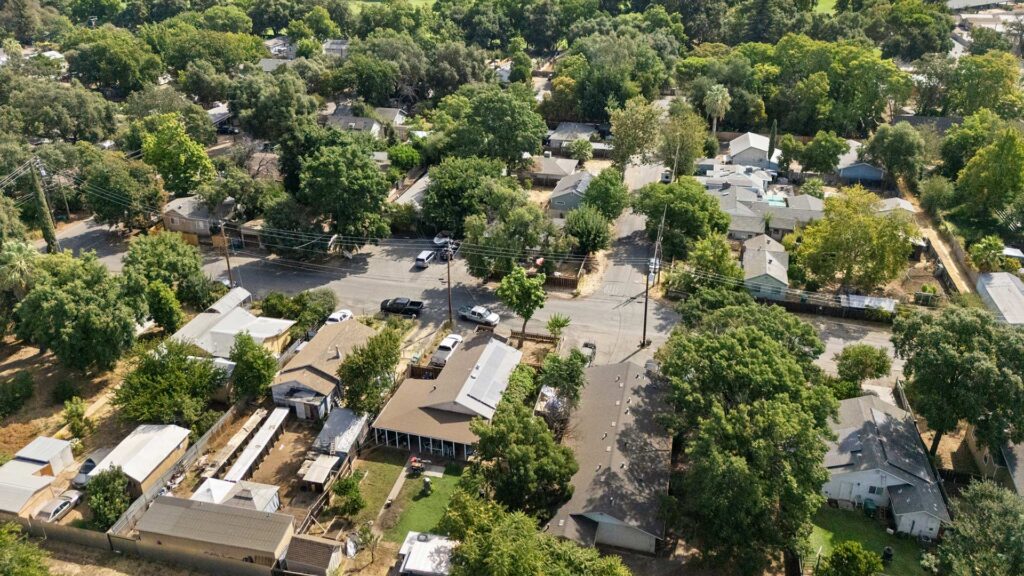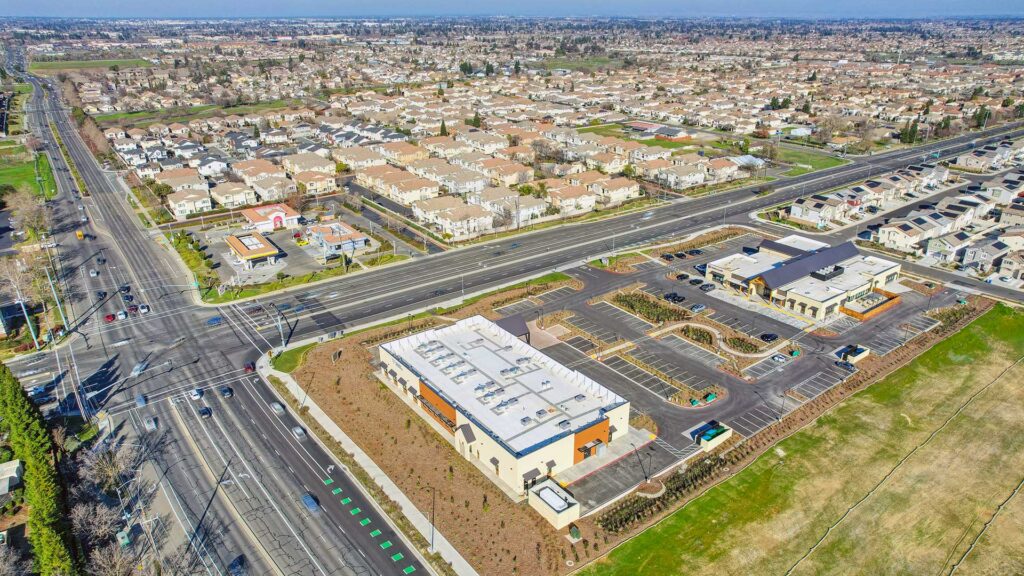
A PACE center asks more of its real estate than a typical medical office or senior care facility. The building serves as the operational hub for clinical care, therapy, meals, socialization, personal care, transportation, and other coordinated services. Those functions have to work together for a population with significant mobility and healthcare needs. For some operators, adapting an existing building is the right solution. For others, build-to-suit PACE development creates an opportunity to start with the care model and design the real estate around it.
The Centers for Medicare & Medicaid Services (CMS), which regulates PACE at the federal level, defines a PACE center as a facility that includes primary care, therapeutic recreation, restorative therapy, socialization, personal care, and dining. Federal guidance also requires the physical environment to be safe, sanitary, functional, accessible, and comfortable for participants. These requirements make the building an important part of how a PACE organization delivers care. A build-to-suit structure can address those requirements while also giving operators another way to approach capital, ownership, and development risk.
Why PACE Centers Are Well Suited to Build-to-Suit Development
 In a traditional build-to-suit arrangement, a developer acquires or controls a site, finances the project, and develops a facility for a specific tenant. The tenant then occupies the completed property under a long-term lease. Unlike speculative development, the building is planned around a known user’s requirements from the beginning.
For PACE organizations, that distinction matters. A PACE center brings together uses that would normally be separated across several types of healthcare and community facilities. Clinical rooms may sit alongside therapy areas, a day room, dining space, food service, administrative functions, and participant support areas. Transportation adds another layer because participants regularly arrive and depart by program vehicles.
The National PACE Association describes the center as a critical component of the PACE care model and provides dedicated guidance on center design, layout, furnishing, site selection, and development. A build-to-suit project allows those operational requirements to inform the building plan before construction rather than requiring the program to conform to the limitations of an existing structure.
Designing Around the PACE Operating Model
The strongest argument for a purpose-built facility is not simply that the operator gets a newer building. It is that the development process can begin with how the organization intends to deliver care.
That means studying relationships between clinical space, therapy, dining, recreation, staff functions, and participant circulation early in design. Accessibility cannot be treated as a late-stage code exercise. Door widths, corridors, bathrooms, handrails, exits, and other elements are part of the physical environment reviewed for PACE operations.
Transportation should receive the same attention. Participant drop-off and pickup affect circulation, parking, covered entries, vehicle staging, and the relationship between the building and the site. The result is a development problem that extends well beyond calculating the required square footage.
A build-to-suit does not eliminate those complexities. It gives the project team an opportunity to resolve them deliberately. That can be particularly valuable when an operator has a clear program model and wants its physical environment to support that model over a long occupancy period.
Build-to-Suit Can Also Be a Capital Strategy
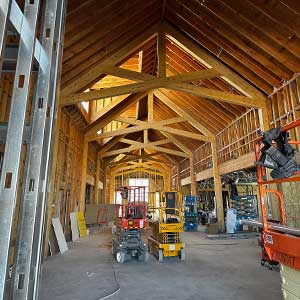 The physical facility is only one side of the decision. A build-to-suit can also change how an operator deploys its capital.
Opening a PACE center requires investment beyond real estate. Operators must prepare for staffing, equipment, transportation, participant enrollment, and working capital as the program ramps. Capital committed to purchasing land and constructing a building cannot simultaneously support those operating needs.
Under a build-to-suit and lease structure, the developer can provide some or all of the real estate capital and retain ownership after completion. The operator gains use of a facility designed for its program without necessarily making building ownership the first priority.
That tradeoff should be evaluated carefully. Rent, lease length, escalation provisions, guarantees, construction costs, purchase rights, and responsibility for future capital improvements can materially affect the economics. A build-to-suit is therefore not inherently preferable to owning a center. It is one structure available to organizations whose financial objectives and operating plans make leasing attractive.
Capital Rivers Commercial’s own PACE development framework treats build-to-suit alongside fee development and joint venture structures rather than as a universal solution. The appropriate structure depends on the operator’s financial position, desired ownership, risk allocation, and long-term objectives for the asset.
How Does a Build-to-Suit PACE Center Get Developed?
A successful project requires the operating plan, real estate strategy, design, capital, and regulatory path to advance together. In practice, the process generally follows five connected steps:
- Define the program requirements. Establish anticipated participant capacity, care functions, staffing, transportation, equipment, and operational relationships that will affect the facility.
- Identify and validate the site. Confirm service-area fit, access, zoning, utilities, entitlement requirements, site circulation, development capacity, and potential financing considerations.
- Design around operations. Translate the care model into clinical, therapy, day-center, dining, support, and transportation spaces while addressing applicable regulatory requirements.
- Align costs, lease terms, and capital. Refine the construction budget and determine how project costs translate into rent, operator contributions, financing, guarantees, and any future purchase rights.
- Coordinate construction and turnover. Manage permitting, construction, equipment requirements, inspections, and delivery so the completed center supports the operator’s path toward opening.
The steps are straightforward on paper, but they should not operate independently. A design decision can affect cost. A site condition can affect schedule. Financing can influence lease economics. Regulatory requirements can change the development program. Keeping those decisions connected is one of the central responsibilities of the development team.
Cost Transparency Matters in a Long-Term Lease
One potential weakness in any build-to-suit arrangement is a disconnect between what the building costs and what the tenant ultimately pays. For PACE organizations, transparency during development can help reduce that problem.
An open-book process gives the operator visibility into budgets, bids, contracts, value engineering, and change orders while decisions are still being made. It also creates a clearer relationship between facility decisions and long-term occupancy costs.
That approach becomes particularly useful when conditions change during design or construction. Rather than treating cost overruns as a problem to reconcile at the end, the operator and developer can evaluate alternatives while there is still an opportunity to change scope, specifications, or project strategy.
Choosing Between Build-to-Suit, Fee Development, and a Joint Venture
Operators considering a new center should evaluate the development structure at the same time they evaluate the real estate. Fee development may make sense when the organization wants to own the asset and has capital available but needs an experienced team to execute the project. A joint venture can divide capital, ownership, economics, and risk between the operator and development partner.
Build-to-suit is different because the developer generally owns the completed property and the PACE organization becomes the tenant. That can preserve operator capital and transfer portions of development and ownership responsibility, but it also creates a long-term lease obligation.
The decision should therefore begin with several practical questions: How much capital does the organization want invested in real estate? Does it ultimately want to own the center? What risks can it comfortably assume during development? How should occupancy costs relate to the expected participant ramp? The answers help determine which structure supports the program rather than forcing the program into a predetermined real estate model.
Summary
Build-to-suit PACE development can give operators a way to align facility design, capital strategy, and long-term occupancy with the needs of their program. Its value comes from more than constructing a new building. A well-structured project starts with the care model, accounts for participant circulation and transportation, addresses regulatory requirements, and keeps development costs connected to lease economics. Build-to-suit will not be the right structure for every organization, but it can be a strong option when an operator wants a purpose-designed center while preserving capital for program growth.
Capital Rivers Commercial is a PACE facility developer and a member of the California PACE Association, with experience in build-to-suit, joint venture, fee development, ground-up construction, and retrofit strategies for PACE facilities. If your organization is evaluating its next PACE center, our team can help assess the site, development structure, project budget, capital strategy, and path to delivery. Contact Capital Rivers Commercial to discuss a PACE development opportunity or explore how a build-to-suit structure could fit your program.