As colder weather approaches, commercial property owners and managers in Northern California must take proactive steps to protect their investments. Preparing your property for the winter season not only ensures the safety of tenants and customers but also prevents costly repairs and operational disruptions. From HVAC inspections to exterior maintenance, a comprehensive winterization plan helps maintain property value, tenant satisfaction, and long-term functionality.
Below is a detailed checklist designed to help commercial property management winterize efficiently and effectively.
Why Preparing Your Property for the Winter Season Matters
 The winter season brings a range of risks for commercial properties — especially in regions like Northern California, where weather conditions can vary dramatically. Even if snowfall is rare in areas like Sacramento and Chico, heavy rains, wind, and sudden temperature drops can still cause damage.
Failing to prepare in advance can lead to:
- Roof leaks and structural damage.
- Frozen or burst pipes.
- HVAC system breakdowns.
- Unsafe walkways and entry points.
- Increased liability for slip-and-fall accidents.
A pre-winter inspection and maintenance checklist mitigates these risks and ensures your property remains functional and secure throughout the season.
Building Systems Winterization Checklist
1. Inspect and Service the HVAC System
Heating and ventilation systems are critical during colder months. Schedule a full inspection and servicing before winter begins.
- Replace air filters to maintain indoor air quality and efficiency.
- Check ductwork for leaks or insulation gaps.
- Calibrate thermostats and ensure zone heating works as intended.
- Inspect boilers, furnaces, and heat pumps for wear or inefficiencies.
- Ensure space heaters, if used, are in good working order and do not pose fire hazards.
Regular HVAC maintenance improves energy efficiency, reduces tenant complaints, and extends the life of your equipment.
2. Examine the Roof, Gutters, and Drainage
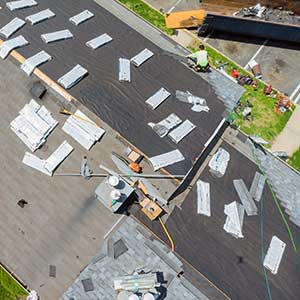
Water intrusion is a major winter hazard. A professional roof inspection helps catch vulnerabilities before they turn into costly repairs.
- Look for cracked or missing shingles, pooling water, or soft spots.
- Clean and clear all gutters, downspouts, and drainage systems to ensure proper water flow and prevent clogs.
- Install gutter guards if falling leaves are a recurring issue.
- Inspect rooftop HVAC units and vents for weatherproofing.
- Position sandbags near known flood-prone areas or entrances for emergency use.
In regions like Redding, where storm runoff can be intense, proper drainage is especially critical.
3. Winterize Plumbing and Irrigation Systems

Cold snaps can cause pipes to freeze and burst, particularly in uninsulated or exterior areas of a commercial property.
- Insulate exposed pipes in basements, crawl spaces, and exterior walls.
- Drain and shut off outdoor spigots and irrigation lines.
- Install frost-proof hose bibs and backflow preventers where necessary.
- Check for leaks or corrosion in older plumbing systems.
Even a brief drop below freezing can lead to significant water damage if plumbing isn’t properly winterized.
Exterior Safety & Efficiency Winterization Checklist
1. Evaluate Exterior Lighting and Safety Systems
Shorter daylight hours and wet conditions increase the need for well-lit and hazard-free exteriors.
- Replace burnt-out bulbs and inspect light fixtures in parking areas and entryways.
- Check that motion sensors, timers, and emergency lighting systems are working.
- Repaint or re-stripe faded parking lot lines and ADA markings.
- Install or check non-slip mats and signage at entrances.
- Ensure walkways are treated with de-icer or sand during icy mornings.
Proper exterior lighting and visible markings improve safety and reduce liability exposure during the winter season.
2. Review Your Building’s Envelope and Insulation
Energy loss and moisture intrusion often result from degraded insulation or compromised seals.
- Inspect weatherstripping on all windows and doors.
- Seal cracks in foundation walls, siding, and around penetrations.
- Upgrade insulation in poorly performing areas such as attics or unconditioned spaces.
- Test entry doors for proper closure and threshold gaps.
An efficient building envelope lowers heating costs and improves tenant comfort.
5 Mistakes to Avoid When Winterizing Your Commercial Property
While creating a checklist of what to do is essential, understanding what not to do can be just as important. Avoiding these common mistakes can prevent damage, reduce liability, and improve the efficiency of your winter maintenance plan.
- Delaying Maintenance Until It’s Too Late: Many property managers wait for cold weather to begin repairs. By then, vendors are booked, and small issues—like roof leaks or failing heaters—can turn into emergencies.
- Ignoring Drainage and Water Runoff: Failing to manage rainwater properly is one of the most common and costly oversights. Ensure gutters, drains, and downspouts are clear before the first major storm.
- Overlooking Tenant Communication: Not informing tenants about winter procedures, such as heating operations and emergency protocols, can create confusion and increase liability during weather events.
- Skipping Regular Inspections: A one-time check isn’t enough. Mid-season inspections can catch new leaks, insulation failures, or system malfunctions before they escalate.
- Neglecting Energy Efficiency Upgrades: Failing to address insulation, lighting, or heating controls wastes energy and drives up operating costs. Implementing simple upgrades can have long-term benefits for both owners and tenants.
Avoiding these mistakes ensures a smoother winter season and reinforces the reliability of your commercial property management strategy.
Special Considerations for Northern California Commercial Properties
Northern California’s microclimates mean winterization plans may differ slightly depending on your property’s location. For example:
- Sacramento: Rain and fog are common; prioritize drainage and lighting.
- Chico: Colder nights can increase freeze risks; pipe insulation is crucial.
- Redding: Occasional frost and snow; focus on roof integrity and slip hazards.
Understanding regional weather patterns helps tailor your approach to each property.
Energy Efficiency and Long-Term Savings
Preparing your property for the winter season isn’t just about protection—it’s also an opportunity to improve sustainability.
- Install programmable thermostats to reduce heating during off-hours.
- Upgrade to LED lighting in common areas to lower energy use.
- Consider thermal window film for older buildings with single-pane glass.
These upgrades reduce utility bills and demonstrate a commitment to responsible facility management.
Final Walkthrough and Emergency Planning
Before the season is in full swing, do a final walkthrough with your property management team:
- Confirm all maintenance tasks are completed.
- Stock up on winter supplies like de-icer, safety cones, and sandbags.
- Ensure emergency contacts, shut-off valves, and manuals are accessible.
Having a winter emergency plan in place ensures quick response during power outages, flooding, or extreme weather events.
Summary
Preparing your property for the winter season is a crucial part of effective commercial property management in Northern California. With the right preparation, property owners can avoid costly repairs, improve safety, and enhance tenant satisfaction. This article outlined how to protect building systems—including HVAC, roofing, plumbing, and drainage—and how to maintain exterior safety and efficiency through lighting, insulation, and accessibility improvements.
It also highlighted the five most common mistakes property managers make during winterization, such as delaying maintenance, ignoring drainage, and overlooking tenant communication. By avoiding these pitfalls and following a consistent maintenance plan, owners can ensure their properties remain safe, efficient, and resilient throughout the colder months.
Looking to streamline your winter property prep?
Capital Rivers Commercial offers full-service commercial property management solutions to keep your assets protected year-round. Contact us today to discuss how we can support your property’s success this winter.